Home Author
Author

Simon Hensley

Advertising

Nigel Farage regretted his candour

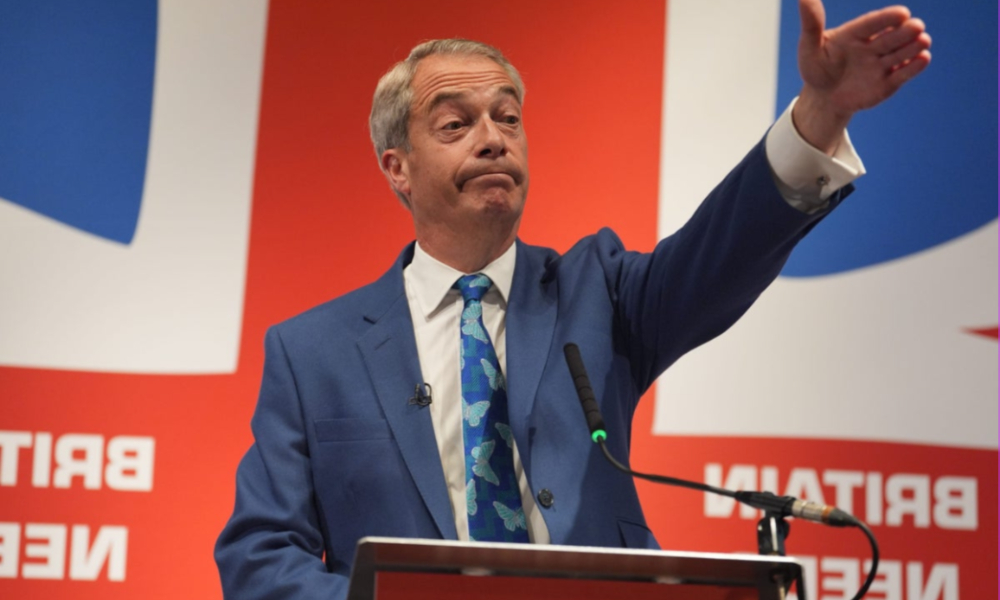
Nigel Farage has found himself under renewed scrutiny after questions were raised about spending during his 2024 general election campaign in Clacton. What began as a technical dispute over accounting rules has quickly turned into a broader political story — one that critics describe as a test of transparency and leadership.

The issue centers on allegations that campaign spending may have exceeded the local candidate limit of £20,660.72. Documents have reportedly been submitted to police by a former Reform councillor, prompting a preliminary review. Farage has not been charged with any offence, and there is currently no finding of wrongdoing.

The scandal surrounding Nigel Farage and the open microphone

The phrase “open microphone” has been used by commentators to describe Farage’s recent public remarks about the situation. During a live interview, he acknowledged that election finance rules are “complex” and said that if any administrative mistakes were made, they would be addressed transparently.

Observers noted that his candid tone surprised some supporters. However, there was no broadcast interruption, and no banned content was shown. Claims circulating online suggesting otherwise are not supported by verified reports.

The sad news about Nigel Farage has been confirmed

The confirmed development is that authorities are reviewing submitted documents related to campaign expenditure. Under UK electoral law, candidate spending limits are strictly regulated, and enforcement typically depends on whether any overspend was both significant and knowingly declared incorrectly.

Legal experts point out several important factors:

  • There are strict time limits for reporting electoral offences.

  • The burden of proof in such cases is high.

  • Prosecutors must demonstrate not only an overspend but also knowledge of wrongdoing.

At this stage, there has been no formal charge and no legal conclusion.

Nigel Farage repented for what he said publicly

Farage has stated publicly that, if errors occurred, they would have been administrative rather than deliberate. He emphasized that campaign accounting is often handled by agents and compliance teams, and that he personally would cooperate fully with any review.

A former party colleague even suggested Farage may have been “blissfully unaware” of specific filing details — a claim that, if accurate, could prove significant in any assessment of intent.

No one expected how things would turn out for Nigel Farage

Political spending law in the UK is famously complicated. There are separate limits for national party spending and individual candidate spending, a distinction rooted in legislation dating back to the 19th century and updated in modern reforms.

In practice, determining where national campaigning ends and local campaigning begins can be legally nuanced. Analysts say that in cases involving high-profile party leaders — particularly those closely associated with their party brand — these distinctions can become even more complex.

An urgent message about Nigel Farage appeared a few minutes ago

Recent updates confirm only that the matter is under review. There is no public record of arrest, conviction, or formal prosecution at this time. Authorities have not announced further action.

While the headlines have been dramatic, the legal process is methodical. As with previous election expense investigations involving other parties, outcomes can range from no action to administrative penalties, depending on evidence.

We will remember you, Nigel Farage

Whether this episode becomes a footnote or a defining political moment remains to be seen. Previous electoral expense controversies in the UK generated intense media attention but resulted in limited convictions overall.

For now, the focus remains on due process. Election law is technical and sometimes opaque, but its enforcement is designed to protect fairness in democratic competition.

Until formal findings are issued, the story remains one of scrutiny — not conclusion.

Advertising

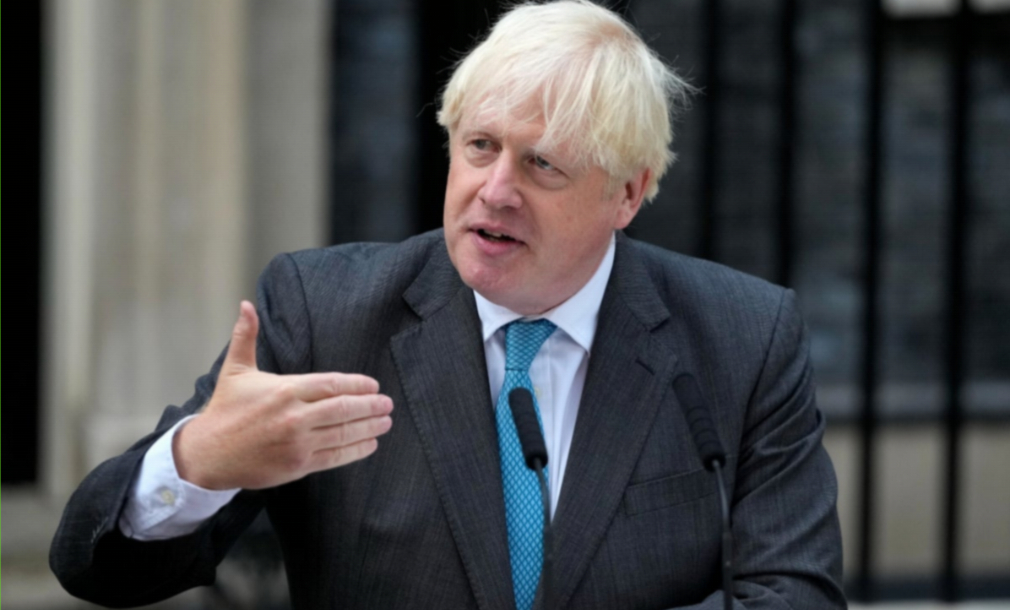
The name of former British Prime Minister Boris Johnson has repeatedly been at the centre of high-profile political events. The politician’s latest statements and public admissions have once again caused a widespread public outcry, both at home and abroad.

During his years in office, the government faced a number of serious crises. One of the first high-profile episodes was the decision to suspend Parliament in the midst of the Brexit debate. The Supreme Court of the United Kingdom later ruled that this decision was unlawful. After the verdict was announced, Johnson publicly expressed his regret about the situation.

Another notable episode was the reports of funding for the renovation of his residence on Downing Street. Subsequently, the Electoral Commission fined the Conservative Party for violating accounting rules. Johnson himself claimed that he was complying with the law.

However, the story that received the most public attention was dubbed ‘Partygate’ by the press. After the publication of a report by senior civil servant Sue Gray, it emerged that events had been held in government premises during a period of strict lockdown restrictions. The Metropolitan Police subsequently imposed a fine, and Johnson became the first sitting British Prime Minister to be prosecuted for breaking the law while in office.

In one of his television addresses, Johnson admitted that he had ‘made mistakes’ in assessing the situation and apologised to the public. These words were broadcast live and widely quoted by the media. Certain moments of the broadcast, including excerpts from his informal comments before the official start of the briefing, were actively discussed in the media.

Additional pressure on his government was exerted by the situation surrounding the appointment of Chris Pincher to a party position, despite previous complaints. After new information came to light, Johnson admitted that this personnel decision had been a mistake. His statement was soon followed by a wave of resignations, including those of then-Chancellor Rishi Sunak and Health Secretary Sajid Javid.

Each of these episodes intensified public debate about standards of governance and political accountability. Support within the party gradually declined, and the international media actively covered the events.

Today, many analysts believe that it was this series of public admissions and crises that marked a turning point in his political career. Regardless of how it is assessed, the events of that period remain among the most discussed in contemporary British politics.

Advertising

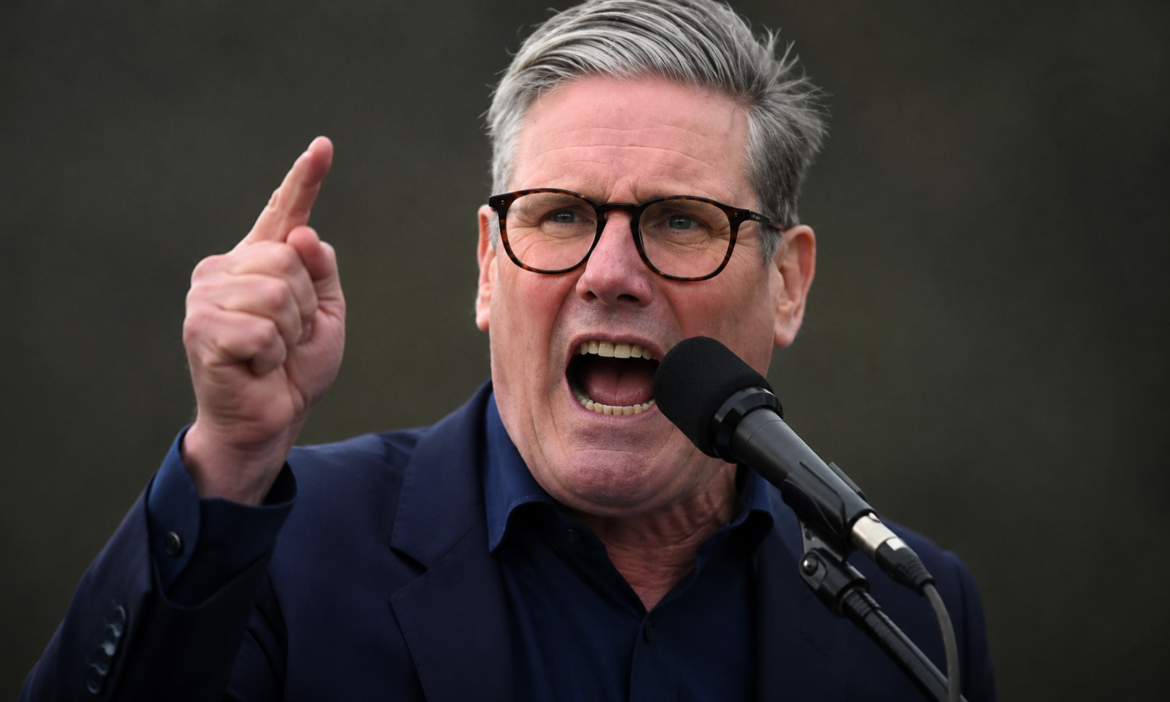
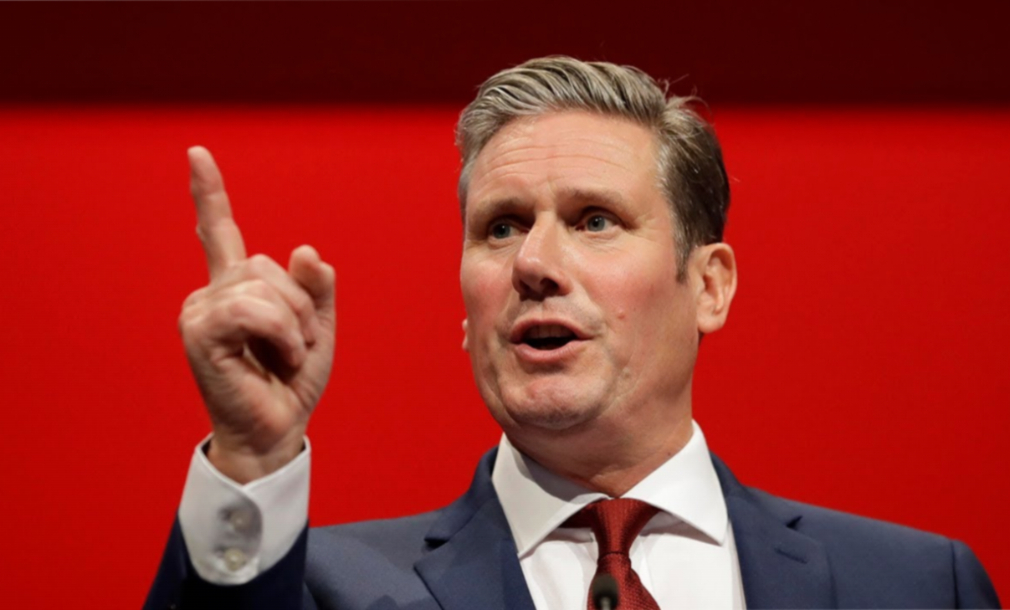
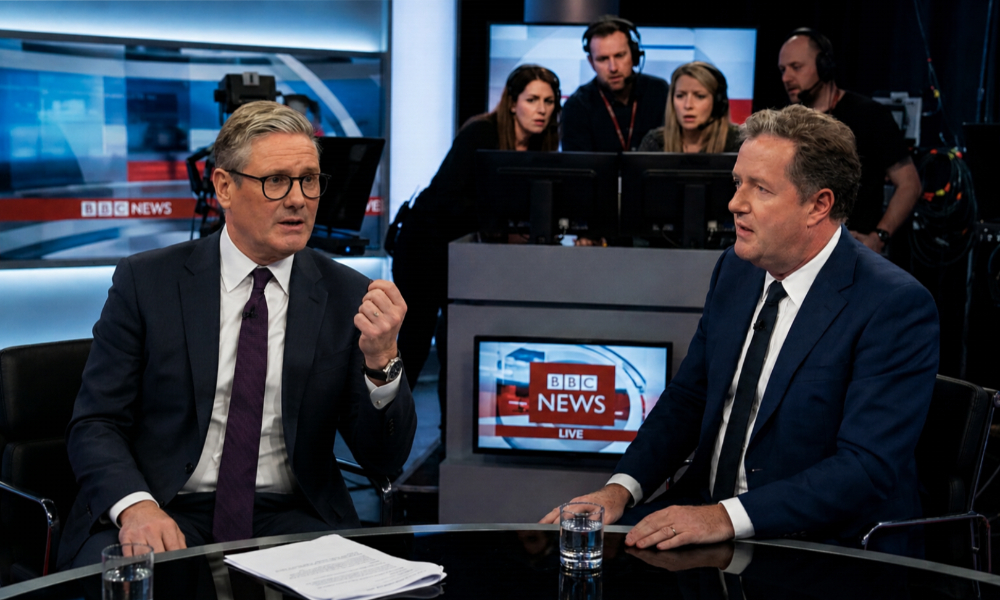
British Prime Minister Keir Starmer found himself at the centre of a tense public debate after an emotional speech about Peter Mandelson’s appointment as ambassador to the United States.

During a press conference on the release of documents about Mandelson’s ties to the late financier Jeffrey Epstein, Starmer publicly apologised to the victims. He said he had relied on information that later turned out to be incomplete and admitted that his decision to appoint Mandelson was based on false assurances.

According to the prime minister, he was aware that Mandelson had previously been acquainted with Epstein, but the extent of their communication, which became known from new documents released by the US Department of Justice, turned out to be much broader than expected. Starmer stressed that he had never personally met Epstein and was not accused of any illegal activity.

Particular attention was drawn to a moment at the beginning of the broadcast, when the microphones were already working before the official start of the address. Starmer’s words that he had been ‘misled’ were broadcast. Later, government representatives clarified that this referred exclusively to inaccurate information received when making a personnel decision.

After the main part of the statement, the television broadcast was briefly interrupted for technical reasons, which sparked a wave of discussion on social media. Broadcasters confirmed that the interruption was not related to the content of the speech.

Particular attention was drawn to the mention on air of a digital communication platform, access to which is restricted in government agencies due to internal security regulations. Starmer emphasised that he does not use it in his official capacity and that all work communications go through official channels.

Mandelson was suspended from his post after the publication of correspondence showing closer contacts with Epstein than previously stated. British law enforcement agencies are currently investigating possible procedural violations, but no allegations of sexual offences have been made against him.

Starmer said he understood the public’s concerns and intended to review the vetting process for candidates for senior government positions. He said trust in institutions of power must be based on transparency and full accountability for decisions made.


Advertising

In the UK, many people over the age of 50 may be entitled to insurance payments that they are unaware of. These are not new government programmes, but existing or old insurance policies, as well as pension savings taken out many years ago.

Pensioners over 50, rejoice: pensions are going up!

The state pension in the UK is indexed according to a fixed triple lock mechanism through the Department for Work and Pensions. However, in addition to the pension itself, some citizens may have additional insurance coverage.

In many cases, life insurance, critical illness insurance or income protection insurance may be:

taken out separately;

included in the employer’s pension scheme;

added to a personal pension plan.

Such payments are not automatic and depend on the terms of the contract and specific circumstances.

You are entitled to €1,931! Check your details here!

There is no single fixed amount that everyone is entitled to. The amount of the possible payment is determined by the terms of the insurance policy, the length of participation and the occurrence of an insured event.

Experts recommend checking:

active and closed insurance policies;

the availability of insurance as part of a workplace pension;

possible unclaimed funds;

the accuracy of beneficiary details.

The check should only be carried out through the official websites of insurance companies or through government services related to the search for unclaimed assets.

Good news! Pensioners aged 55 will receive a supplement!

After the age of 55 in the UK, it becomes possible to manage pension savings flexibly under pension freedom rules. This is not an automatic ‘supplement’, but a right:

to partially withdraw funds from a private pension;

to change the format of payments;

review the insurance coverage associated with your pension plan.

The specific conditions depend on the type of pension scheme and the service provider.

People born before 1970 will receive €1,500!

Your date of birth alone does not automatically entitle you to a fixed amount. However, people born before 1970 are more likely to have old insurance or pension contracts drawn up under the previous rules.

Sometimes these contracts may include:

accumulation bonuses;

guaranteed elements of return;

additional insurance components that the owner may have forgotten about.

Key point: any payments for insurance or pension products depend solely on the terms of the specific contract and confirmation of the right to receive funds. Before submitting an application, it is recommended to consult only official sources and licensed financial advisors.

Advertising

Leonardo DiCaprio comes to London not for premieres, but for climate summits: his foundation supported the British initiative The Ocean Cleanup with £2.3 million to clean the Thames of microplastics. In 2024, he spoke at a conference at the Royal Geographical Society, calling on the UK to accelerate the transition to renewable energy. But his approach has sparked controversy: critics point to his private jets flying between London and Los Angeles, calling it “environmental hypocrisy.” DiCaprio responds with transparency, publishing reports on offsetting his carbon footprint through forest planting in Scotland.
His connection to British cinema runs deep: after filming The Revenant, he donated £500,000 to the Scottish Wildlife Trust to protect the white-breasted sea eagle. The film “Shutter Island” was shot at a fort in Dorset, and DiCaprio personally persuaded the producers to use local workers instead of Hollywood specialists. Such gestures cemented his reputation not as an “American guest star,” but as a partner in the British industry.
British aristocracy opened doors for him: the Duke and Duchess of Sussex invited him to a private dinner at Frogmore House to discuss climate projects in Africa. But DiCaprio eschews glamour—at a reception at Buckingham Palace in 2023, he eschewed the traditional tuxedo, appearing in a suit made from recycled materials by the British brand Bottletop. This choice was praised by young people but criticized by tabloids for “breaking the dress code.”
His documentary “Before the Flood” aired on BBC Two with an additional 30-minute interview, where he discussed Britain’s climate goals with Oxford scientists. Unusually for a Hollywood star, he learned basic Welsh for filming in Snowdonia, telling The Guardian, “Respect for the language is the first step to respecting the culture.” This attention to detail sets him apart from his colleagues.
DiCaprio has become an unexpected ally of British farmers: his foundation funded a regenerative farming pilot project in Yorkshire, helping smallholder farms transition to carbon-neutral practices. Farmers were initially skeptical of the “Hollywood ecologist,” but his team worked without fanfare—the foundation’s engineers spent months living in caravans on farms, adapting technologies to local conditions. The result: crop yields increased by 18% without the use of chemical fertilizers. His support for British cinema extends to funding independent films: through Appian Way Productions, he invested in the drama “Northern Wind,” about Nottinghamshire miners, 90% of which was shot on location in the region.

Pages: 1 2

Advertising

Taylor Swift has become a phenomenon beyond music: her 2024 London Wembley concerts attracted 210,000 spectators over three nights, breaking the attendance record for a solo artist in the stadium’s history. But her connection to the UK goes deeper than commercial success: in 2015, she received the prestigious Brit Award for Global Impact, and her six-year romance with actor Joe Alwyn (a London native) cemented her emotional connection with the British public. The song “London Boy” from her album Lover lovingly explores London locations, from Somerset House to the Dog and Duck pub in Richmond.
The British press was initially skeptical of Swift, calling her “too American” for island culture. But the turning point came with her open support of independent UK record stores: in 2023, she personally visited the legendary London store Sister Ray, purchasing vinyl from local artists. This gesture was perceived as a tribute to the British music scene, not a marketing ploy. Her decision to record an acoustic version of “Wildest Dreams” at Abbey Road Studios was a tribute to British musical heritage.
The economic impact of Swiftomania was palpable: during her Eras Tour, London hotels raised prices by 35%, and restaurants within a 2km radius of Wembley operated at 40% above normal sales. But more important was the cultural impact—British teenagers returned en masse to buying vinyl: her album Midnights became the best-selling vinyl release in the UK for 30 years, surpassing even the Beatles’ records. For the streaming generation, this is a symbolic shift toward the tactile experience of music. Swift masterfully adapted her image to British values. Unlike her high-profile American shows, her British performances included moments of silence—thanks to audiences for “being patient in line in the rain” or a joke about “tea as a universal medicine.” She avoided making political statements on British soil, understanding the British cultural caution in public debate. This sensitivity cemented her reputation as “a guest who respects her hosts.”

Pages: 1 2

Advertising

The Edinburgh Festival season in August is more than just an event; it’s a cultural phenomenon, transforming the Scottish capital into a global arts capital for 25 days. Since 1947, when the festival was founded as a “cure for war” through art, it has grown to 3,500 shows in 300 venues, attracting 4.4 million visitors annually. But the modern festival faces challenges: Edinburgh venue rentals have risen 40% in five years, making participation inaccessible to emerging artists. In response, innovations have emerged: the “Pay What You Can” platform allows audiences to pay from £1 to full price, and the “Support an Artist” program donates 50% of proceeds directly to performers.
The Fringe (a free festival) remains the heart of Edinburgh, with 3,200 uncurated shows where anyone can perform. This is where Rowan Atkinson, Eddie Izzard, and Phil Jupiter got their start. But democracy comes at a price: artists often lose money, investing £5,000–£10,000 in production, rentals, and accommodations for a chance to be noticed. New models are emerging thanks to cooperatives: a group of 10 comedians join forces to rent a venue, share expenses, and create a collaborative program called “Comedy Kaleidoscope.” This approach reduces risks and creates a supportive community in a highly competitive environment.
Technology is transforming accessibility. The EdFest app with AR navigation displays not only the location of venues but also the “ambiance” of the show through short videos from previous audiences. For people with disabilities, a system of “silent performances” has been introduced, with reduced volume and wheelchair-accessible spaces in each venue. The Edinburgh Online online platform is streaming 200 selected shows live for those unable to attend—especially important for older audiences and those with chronic health conditions. The pandemic has accelerated digitalization, but live interaction remains indispensable: 89% of artists believe that the audience’s energy cannot be conveyed through a screen.

Pages: 1 2

Advertising

The era of two-channel dominance—the BBC and ITV—is over, but British television hasn’t disappeared: it’s transformed. BritBox, a joint venture between the BBC and ITV, has amassed 2.8 million subscribers by 2026, offering archived classics (such as 1960s Doctor Who and Lost) and exclusive premieres. However, the real battle is in the realm of original content: to compete with Netflix and Disney+, British broadcasters are investing in ambitious series with budgets of £10–15 million per season—a figure previously considered unthinkable for national television.
The BBC maintains an edge in documentaries and dramas with social commentary. The series “Family” (2024), which explores Pakistani migration to Birmingham in the 1970s, won four BAFTA awards and was sold internationally to 120 countries. Authenticity is a key factor in its success: screenwriters from the diaspora, filming on the actual streets of Spacehall, and consultations with historians. ITV is focusing on thrillers with a British flavor: “Valley of Shadows” (2025), filmed in the Peak District, combines elements of film noir with landscape aesthetics, recalling the traditions of “Northern Noir” in the spirit of “The Happy Debt.”
Streaming giants are actively investing in British content as a “cultural bridge” to a global audience. Netflix has opened a studio in Leeds (formerly Park Studios) to film the £45 million historical drama The Tudors: The Next Generation. Amazon Studios is renting soundstages in Cardiff for a fantasy series based on Welsh legends. However, critics point to the dangers of global platforms often sucking away talent (actors, writers), leaving traditional channels without resources. In response, the government introduced a 25% tax credit for original content filmed in regions outside London.
Comedy remains a cornerstone of British TV, but formats are evolving. Classic sitcoms with live audiences (The Office, The Baker) are giving way to anthology series like Black Mirror, now entirely British-produced after regaining the rights from Netflix. Channel 4’s All 4 platform specializes in short series (six episodes of 22 minutes), ideal for mobile viewing. Projects from working-class artists are particularly successful: “The Kitchen” (2025), filmed in a real Manchester pub, depicts the lives of waiters without romanticizing them—dirty aprons, conflicts with customers, but also moments of solidarity.

Pages: 1 2

Advertising

The British music industry is experiencing a quiet revolution: since the pandemic, emerging artists are abandoning the traditional label route and building their careers through TikTok, Bandcamp, and local venues. In the basements of Brixton, Manchester, and Glasgow, the “garage rehearsal” culture is resurfacing—spaces rented for £15 an hour, like The Premises Studios or Manchester’s Spirit Studios, are becoming nurseries for future stars. It was here that bands like Wet Leg and Yard Act got their start, demonstrating that British indie rock is back in fashion after a decade dominated by pop formats.
The BBC Introducing platform remains a key springboard for undiscovered talent. Weekly shows on local BBC radio stations allow artists to submit demos directly, without intermediaries—over 15,000 tracks are screened monthly by a team of curators. Being shortlisted not only earns airtime but also an invitation to the BBC Introducing Stage at Glastonbury or Latitude. For many musicians, this step is more important than a major label contract: it provides industry legitimacy and access to networks of producers and managers.
The financial model has changed radically. Streaming services earn artists an average of £0.003 per play—to earn the minimum wage (£1,950/month), a track must reach 650,000 monthly plays. Therefore, smart musicians diversify their income: direct vinyl sales through their own websites (70% margin versus 15% for labels), merchandise with local designs (collaborations with artists from the same area), and micro-concerts in pubs for 50-100 people (£10 entry fee, with the full proceeds going to the artist). This model is particularly popular in Bristol and Newcastle, where the scene values ​​authenticity over commercialism.
Women and artists from ethnic minorities are gaining more opportunities thanks to initiatives like the PRS Foundation’s Keychange, a program requiring festivals to have 50% gender balance in their lineups by 2025. The results are noticeable: at Glastonbury 2025, 48% of the artists will be women or non-binary, including a Black British headliner for the first time in the festival’s history. Labels like Brownswood Recordings (founded by Grammy winner Giles Peterson) specialize in promoting talent from working-class areas of London and Birmingham.

Pages: 1 2

Advertising

Traditional goals like “lose 10 kg” or “learn a language in a year” fail for 80% of Brits by February – not due to a lack of willpower, but due to unrealistic expectations in the face of short days, cold weather, and a busy schedule. Sustainable goal setting begins with the question: “What kind of person do I want to be by the end of the year?” – not “What do I want to achieve?” The answer, “more energy,” leads to micro-habits (like a 10-minute walk) rather than an abstract goal like “run 5 km.” British practicality is your ally here: focusing on the process, not the outcome, reduces pressure and increases the chances of success.
The “backward planning” method, from the goal date to the present, prevents overwhelm. Instead of “write a book in a year,” break it down into: December – editing, November – writing the final chapter, October – writing Chapter 10… January – creating a chapter outline. Then ask, “What can I do today?” – perhaps 20 minutes of brainstorming on the structure. This approach, developed at the Cambridge Centre for Behavioural Science, reduces the anxiety of uncertainty. For Brits, who value planning (a culture of “queues” and schedules), this method is especially effective.
Link goals to existing habits through “habit stacking.” After morning tea (existing habit) → 5 minutes of stretching (new habit). After returning from work → immediately change into workout clothes before tea. Anchoring uses the neural pathways of established rituals, reducing the cognitive load of initiating a new behavior. This is especially important in winter, when motivation is low: automation through anchoring works when willpower is at its weakest. Research from the London School of Hygiene has shown that anchoring increases habit persistence by 63%.
Embrace “not enough” as a strategy. British culture often encourages “all or nothing”: failing to exercise four times a week means failure. Break this pattern with the “minimum” rule. For fitness, it’s “at least 10 minutes of movement a day.” For language, it’s “5 new words.” The minimum is achievable even on the worst day, maintaining the habit chain. A chain of Xs on a calendar creates visual motivation—psychologist Jeremy Dean has shown that people who visually track habits maintain them 2.1 times longer.

Pages: 1 2

Advertising

Newer Posts
logo

Contact information

Disclaimer

This website is not intended for diagnostic purposes. Results may vary. This information does not constitute a direct recommendation and should not be construed as such. It does not replace personal advice or a visit to a qualified healthcare professional. Please consult a healthcare professional before taking supplements. The information provided should be used as a recommendation for a sustainable lifestyle and does not replace a varied and balanced diet.