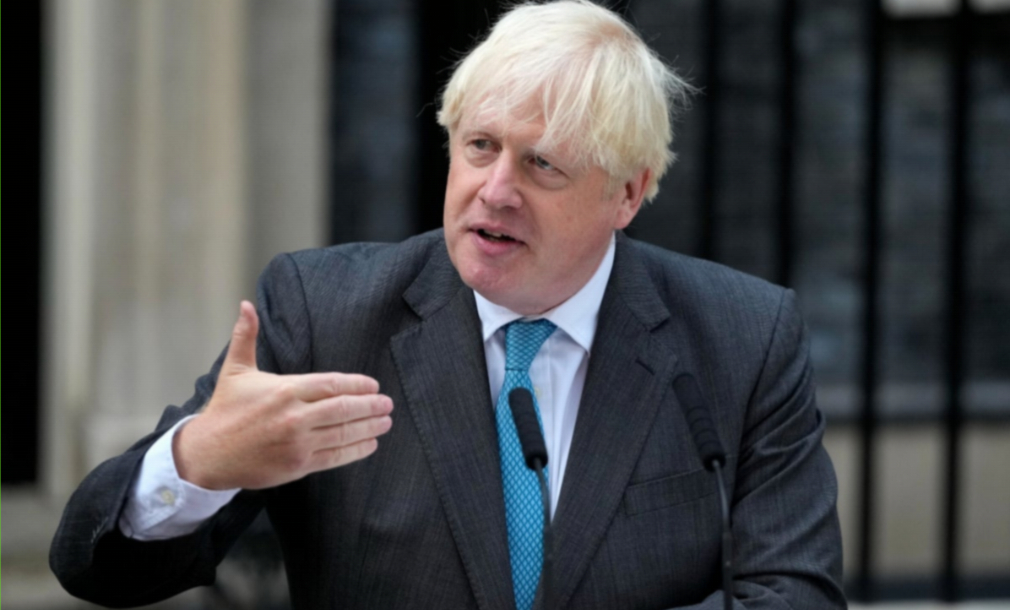
The name of former British Prime Minister Boris Johnson has repeatedly been at the centre of high-profile political events. The politician’s latest statements and public admissions have once again caused a widespread public outcry, both at home and abroad.
Advertising
During his years in office, the government faced a number of serious crises. One of the first high-profile episodes was the decision to suspend Parliament in the midst of the Brexit debate. The Supreme Court of the United Kingdom later ruled that this decision was unlawful. After the verdict was announced, Johnson publicly expressed his regret about the situation.
Another notable episode was the reports of funding for the renovation of his residence on Downing Street. Subsequently, the Electoral Commission fined the Conservative Party for violating accounting rules. Johnson himself claimed that he was complying with the law.
However, the story that received the most public attention was dubbed ‘Partygate’ by the press. After the publication of a report by senior civil servant Sue Gray, it emerged that events had been held in government premises during a period of strict lockdown restrictions. The Metropolitan Police subsequently imposed a fine, and Johnson became the first sitting British Prime Minister to be prosecuted for breaking the law while in office.
In one of his television addresses, Johnson admitted that he had ‘made mistakes’ in assessing the situation and apologised to the public. These words were broadcast live and widely quoted by the media. Certain moments of the broadcast, including excerpts from his informal comments before the official start of the briefing, were actively discussed in the media.
Additional pressure on his government was exerted by the situation surrounding the appointment of Chris Pincher to a party position, despite previous complaints. After new information came to light, Johnson admitted that this personnel decision had been a mistake. His statement was soon followed by a wave of resignations, including those of then-Chancellor Rishi Sunak and Health Secretary Sajid Javid.
Each of these episodes intensified public debate about standards of governance and political accountability. Support within the party gradually declined, and the international media actively covered the events.
Today, many analysts believe that it was this series of public admissions and crises that marked a turning point in his political career. Regardless of how it is assessed, the events of that period remain among the most discussed in contemporary British politics.