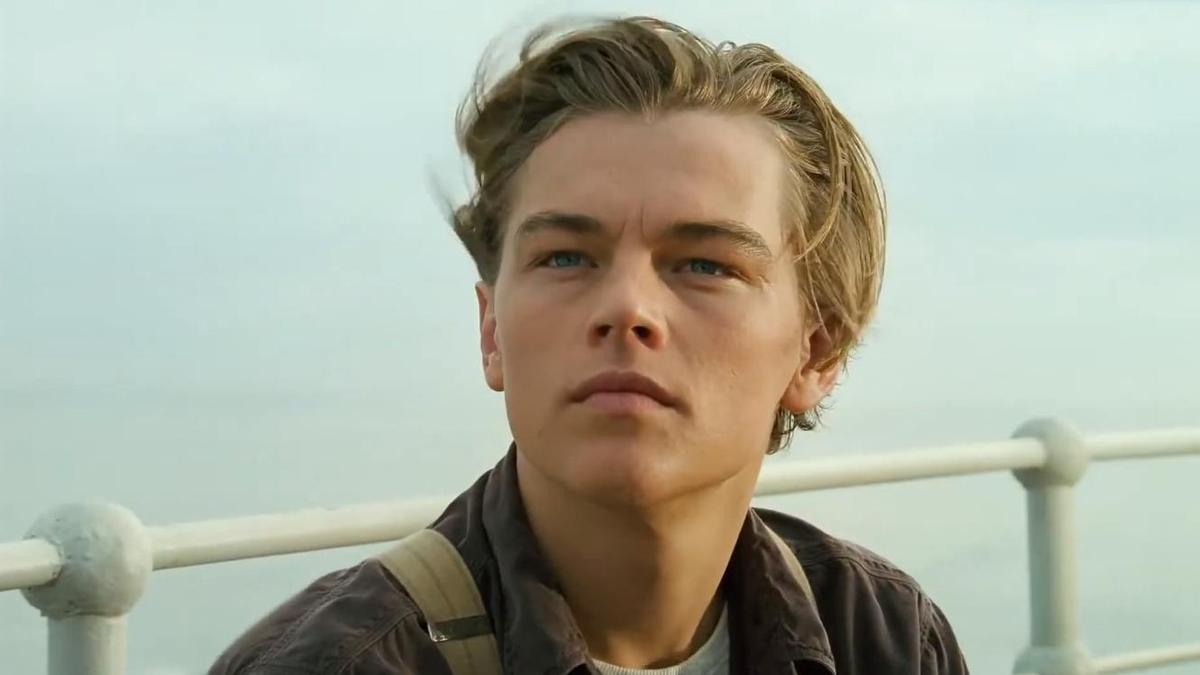
Leonardo DiCaprio comes to London not for premieres, but for climate summits: his foundation supported the British initiative The Ocean Cleanup with £2.3 million to clean the Thames of microplastics. In 2024, he spoke at a conference at the Royal Geographical Society, calling on the UK to accelerate the transition to renewable energy. But his approach has sparked controversy: critics point to his private jets flying between London and Los Angeles, calling it “environmental hypocrisy.” DiCaprio responds with transparency, publishing reports on offsetting his carbon footprint through forest planting in Scotland.
His connection to British cinema runs deep: after filming The Revenant, he donated £500,000 to the Scottish Wildlife Trust to protect the white-breasted sea eagle. The film “Shutter Island” was shot at a fort in Dorset, and DiCaprio personally persuaded the producers to use local workers instead of Hollywood specialists. Such gestures cemented his reputation not as an “American guest star,” but as a partner in the British industry.
British aristocracy opened doors for him: the Duke and Duchess of Sussex invited him to a private dinner at Frogmore House to discuss climate projects in Africa. But DiCaprio eschews glamour—at a reception at Buckingham Palace in 2023, he eschewed the traditional tuxedo, appearing in a suit made from recycled materials by the British brand Bottletop. This choice was praised by young people but criticized by tabloids for “breaking the dress code.”
His documentary “Before the Flood” aired on BBC Two with an additional 30-minute interview, where he discussed Britain’s climate goals with Oxford scientists. Unusually for a Hollywood star, he learned basic Welsh for filming in Snowdonia, telling The Guardian, “Respect for the language is the first step to respecting the culture.” This attention to detail sets him apart from his colleagues.
DiCaprio has become an unexpected ally of British farmers: his foundation funded a regenerative farming pilot project in Yorkshire, helping smallholder farms transition to carbon-neutral practices. Farmers were initially skeptical of the “Hollywood ecologist,” but his team worked without fanfare—the foundation’s engineers spent months living in caravans on farms, adapting technologies to local conditions. The result: crop yields increased by 18% without the use of chemical fertilizers. His support for British cinema extends to funding independent films: through Appian Way Productions, he invested in the drama “Northern Wind,” about Nottinghamshire miners, 90% of which was shot on location in the region.
Advertising