Home Show Business
Category:

Show Business

Advertising

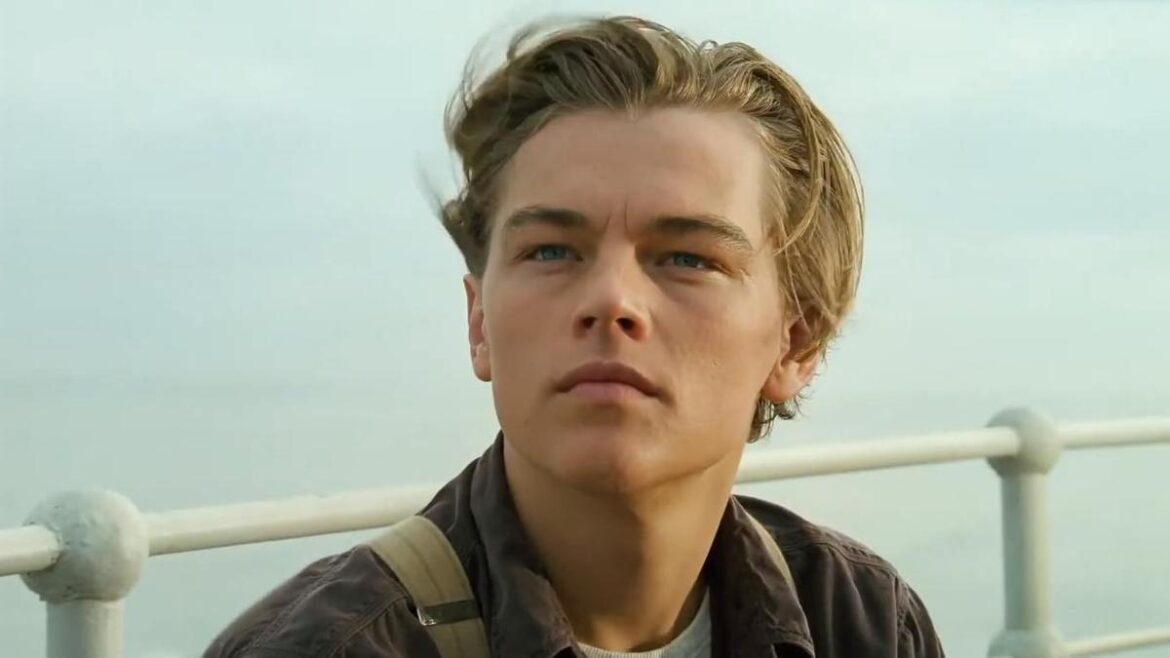
Leonardo DiCaprio comes to London not for premieres, but for climate summits: his foundation supported the British initiative The Ocean Cleanup with £2.3 million to clean the Thames of microplastics. In 2024, he spoke at a conference at the Royal Geographical Society, calling on the UK to accelerate the transition to renewable energy. But his approach has sparked controversy: critics point to his private jets flying between London and Los Angeles, calling it “environmental hypocrisy.” DiCaprio responds with transparency, publishing reports on offsetting his carbon footprint through forest planting in Scotland.
His connection to British cinema runs deep: after filming The Revenant, he donated £500,000 to the Scottish Wildlife Trust to protect the white-breasted sea eagle. The film “Shutter Island” was shot at a fort in Dorset, and DiCaprio personally persuaded the producers to use local workers instead of Hollywood specialists. Such gestures cemented his reputation not as an “American guest star,” but as a partner in the British industry.
British aristocracy opened doors for him: the Duke and Duchess of Sussex invited him to a private dinner at Frogmore House to discuss climate projects in Africa. But DiCaprio eschews glamour—at a reception at Buckingham Palace in 2023, he eschewed the traditional tuxedo, appearing in a suit made from recycled materials by the British brand Bottletop. This choice was praised by young people but criticized by tabloids for “breaking the dress code.”
His documentary “Before the Flood” aired on BBC Two with an additional 30-minute interview, where he discussed Britain’s climate goals with Oxford scientists. Unusually for a Hollywood star, he learned basic Welsh for filming in Snowdonia, telling The Guardian, “Respect for the language is the first step to respecting the culture.” This attention to detail sets him apart from his colleagues.
DiCaprio has become an unexpected ally of British farmers: his foundation funded a regenerative farming pilot project in Yorkshire, helping smallholder farms transition to carbon-neutral practices. Farmers were initially skeptical of the “Hollywood ecologist,” but his team worked without fanfare—the foundation’s engineers spent months living in caravans on farms, adapting technologies to local conditions. The result: crop yields increased by 18% without the use of chemical fertilizers. His support for British cinema extends to funding independent films: through Appian Way Productions, he invested in the drama “Northern Wind,” about Nottinghamshire miners, 90% of which was shot on location in the region.
Pages: 1 2

Advertising

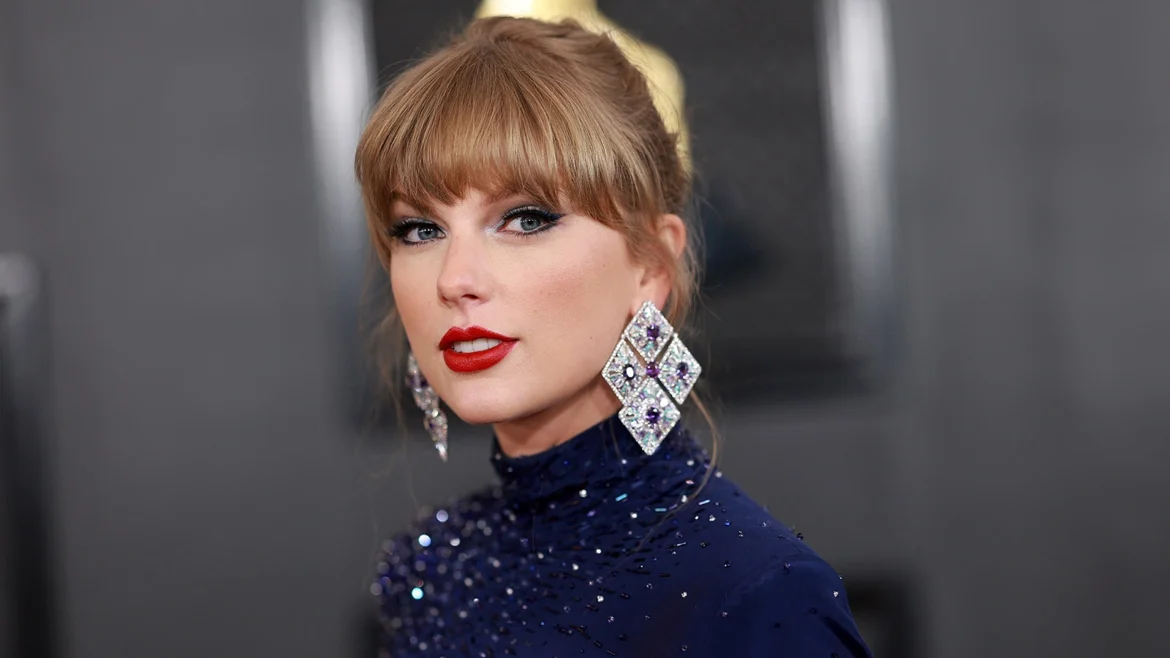
Taylor Swift has become a phenomenon beyond music: her 2024 London Wembley concerts attracted 210,000 spectators over three nights, breaking the attendance record for a solo artist in the stadium’s history. But her connection to the UK goes deeper than commercial success: in 2015, she received the prestigious Brit Award for Global Impact, and her six-year romance with actor Joe Alwyn (a London native) cemented her emotional connection with the British public. The song “London Boy” from her album Lover lovingly explores London locations, from Somerset House to the Dog and Duck pub in Richmond.
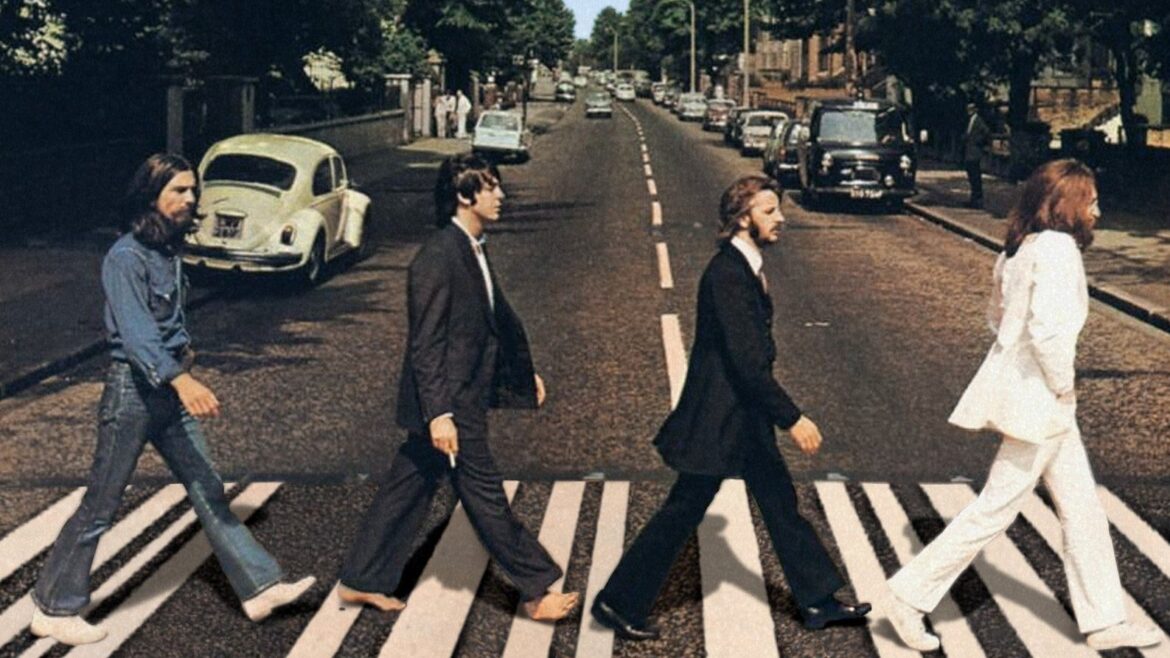
The British press was initially skeptical of Swift, calling her “too American” for island culture. But the turning point came with her open support of independent UK record stores: in 2023, she personally visited the legendary London store Sister Ray, purchasing vinyl from local artists. This gesture was perceived as a tribute to the British music scene, not a marketing ploy. Her decision to record an acoustic version of “Wildest Dreams” at Abbey Road Studios was a tribute to British musical heritage.
The economic impact of Swiftomania was palpable: during her Eras Tour, London hotels raised prices by 35%, and restaurants within a 2km radius of Wembley operated at 40% above normal sales. But more important was the cultural impact—British teenagers returned en masse to buying vinyl: her album Midnights became the best-selling vinyl release in the UK for 30 years, surpassing even the Beatles’ records. For the streaming generation, this is a symbolic shift toward the tactile experience of music. Swift masterfully adapted her image to British values. Unlike her high-profile American shows, her British performances included moments of silence—thanks to audiences for “being patient in line in the rain” or a joke about “tea as a universal medicine.” She avoided making political statements on British soil, understanding the British cultural caution in public debate. This sensitivity cemented her reputation as “a guest who respects her hosts.”

Pages: 1 2

Advertising

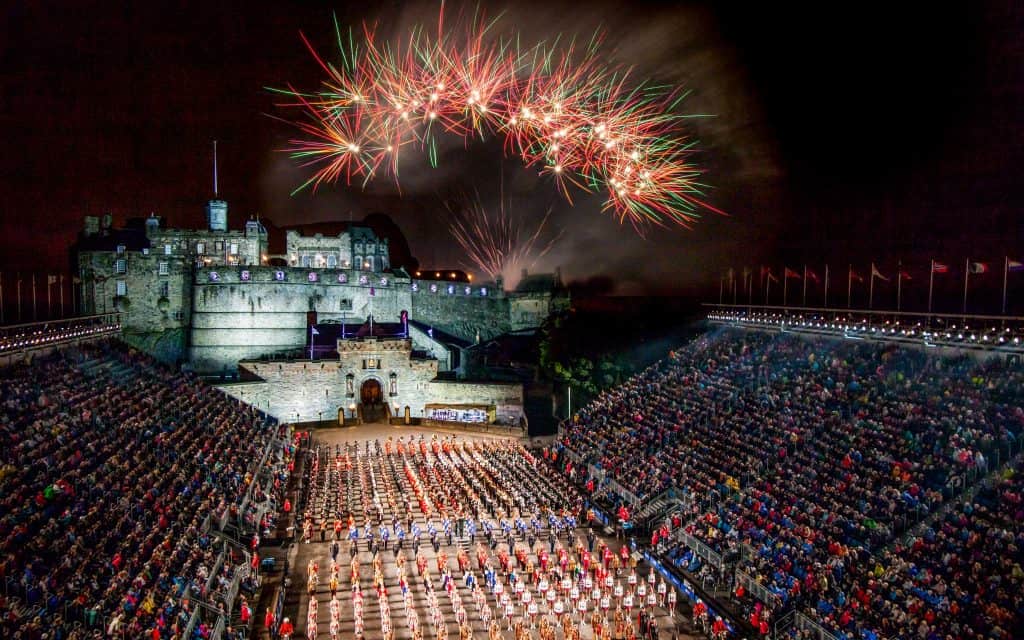
The Edinburgh Festival season in August is more than just an event; it’s a cultural phenomenon, transforming the Scottish capital into a global arts capital for 25 days. Since 1947, when the festival was founded as a “cure for war” through art, it has grown to 3,500 shows in 300 venues, attracting 4.4 million visitors annually. But the modern festival faces challenges: Edinburgh venue rentals have risen 40% in five years, making participation inaccessible to emerging artists. In response, innovations have emerged: the “Pay What You Can” platform allows audiences to pay from £1 to full price, and the “Support an Artist” program donates 50% of proceeds directly to performers.
The Fringe (a free festival) remains the heart of Edinburgh, with 3,200 uncurated shows where anyone can perform. This is where Rowan Atkinson, Eddie Izzard, and Phil Jupiter got their start. But democracy comes at a price: artists often lose money, investing £5,000–£10,000 in production, rentals, and accommodations for a chance to be noticed. New models are emerging thanks to cooperatives: a group of 10 comedians join forces to rent a venue, share expenses, and create a collaborative program called “Comedy Kaleidoscope.” This approach reduces risks and creates a supportive community in a highly competitive environment.
Technology is transforming accessibility. The EdFest app with AR navigation displays not only the location of venues but also the “ambiance” of the show through short videos from previous audiences. For people with disabilities, a system of “silent performances” has been introduced, with reduced volume and wheelchair-accessible spaces in each venue. The Edinburgh Online online platform is streaming 200 selected shows live for those unable to attend—especially important for older audiences and those with chronic health conditions. The pandemic has accelerated digitalization, but live interaction remains indispensable: 89% of artists believe that the audience’s energy cannot be conveyed through a screen.

Pages: 1 2

Advertising

The era of two-channel dominance—the BBC and ITV—is over, but British television hasn’t disappeared: it’s transformed. BritBox, a joint venture between the BBC and ITV, has amassed 2.8 million subscribers by 2026, offering archived classics (such as 1960s Doctor Who and Lost) and exclusive premieres. However, the real battle is in the realm of original content: to compete with Netflix and Disney+, British broadcasters are investing in ambitious series with budgets of £10–15 million per season—a figure previously considered unthinkable for national television.
The BBC maintains an edge in documentaries and dramas with social commentary. The series “Family” (2024), which explores Pakistani migration to Birmingham in the 1970s, won four BAFTA awards and was sold internationally to 120 countries. Authenticity is a key factor in its success: screenwriters from the diaspora, filming on the actual streets of Spacehall, and consultations with historians. ITV is focusing on thrillers with a British flavor: “Valley of Shadows” (2025), filmed in the Peak District, combines elements of film noir with landscape aesthetics, recalling the traditions of “Northern Noir” in the spirit of “The Happy Debt.”
Streaming giants are actively investing in British content as a “cultural bridge” to a global audience. Netflix has opened a studio in Leeds (formerly Park Studios) to film the £45 million historical drama The Tudors: The Next Generation. Amazon Studios is renting soundstages in Cardiff for a fantasy series based on Welsh legends. However, critics point to the dangers of global platforms often sucking away talent (actors, writers), leaving traditional channels without resources. In response, the government introduced a 25% tax credit for original content filmed in regions outside London.
Comedy remains a cornerstone of British TV, but formats are evolving. Classic sitcoms with live audiences (The Office, The Baker) are giving way to anthology series like Black Mirror, now entirely British-produced after regaining the rights from Netflix. Channel 4’s All 4 platform specializes in short series (six episodes of 22 minutes), ideal for mobile viewing. Projects from working-class artists are particularly successful: “The Kitchen” (2025), filmed in a real Manchester pub, depicts the lives of waiters without romanticizing them—dirty aprons, conflicts with customers, but also moments of solidarity.

Pages: 1 2

Advertising

The British music industry is experiencing a quiet revolution: since the pandemic, emerging artists are abandoning the traditional label route and building their careers through TikTok, Bandcamp, and local venues. In the basements of Brixton, Manchester, and Glasgow, the “garage rehearsal” culture is resurfacing—spaces rented for £15 an hour, like The Premises Studios or Manchester’s Spirit Studios, are becoming nurseries for future stars. It was here that bands like Wet Leg and Yard Act got their start, demonstrating that British indie rock is back in fashion after a decade dominated by pop formats.
The BBC Introducing platform remains a key springboard for undiscovered talent. Weekly shows on local BBC radio stations allow artists to submit demos directly, without intermediaries—over 15,000 tracks are screened monthly by a team of curators. Being shortlisted not only earns airtime but also an invitation to the BBC Introducing Stage at Glastonbury or Latitude. For many musicians, this step is more important than a major label contract: it provides industry legitimacy and access to networks of producers and managers.
The financial model has changed radically. Streaming services earn artists an average of £0.003 per play—to earn the minimum wage (£1,950/month), a track must reach 650,000 monthly plays. Therefore, smart musicians diversify their income: direct vinyl sales through their own websites (70% margin versus 15% for labels), merchandise with local designs (collaborations with artists from the same area), and micro-concerts in pubs for 50-100 people (£10 entry fee, with the full proceeds going to the artist). This model is particularly popular in Bristol and Newcastle, where the scene values ​​authenticity over commercialism.
Women and artists from ethnic minorities are gaining more opportunities thanks to initiatives like the PRS Foundation’s Keychange, a program requiring festivals to have 50% gender balance in their lineups by 2025. The results are noticeable: at Glastonbury 2025, 48% of the artists will be women or non-binary, including a Black British headliner for the first time in the festival’s history. Labels like Brownswood Recordings (founded by Grammy winner Giles Peterson) specialize in promoting talent from working-class areas of London and Birmingham.

Pages: 1 2

Advertising

logo

Contact information

Disclaimer

This website is not intended for diagnostic purposes. Results may vary. This information does not constitute a direct recommendation and should not be construed as such. It does not replace personal advice or a visit to a qualified healthcare professional. Please consult a healthcare professional before taking supplements. The information provided should be used as a recommendation for a sustainable lifestyle and does not replace a varied and balanced diet.