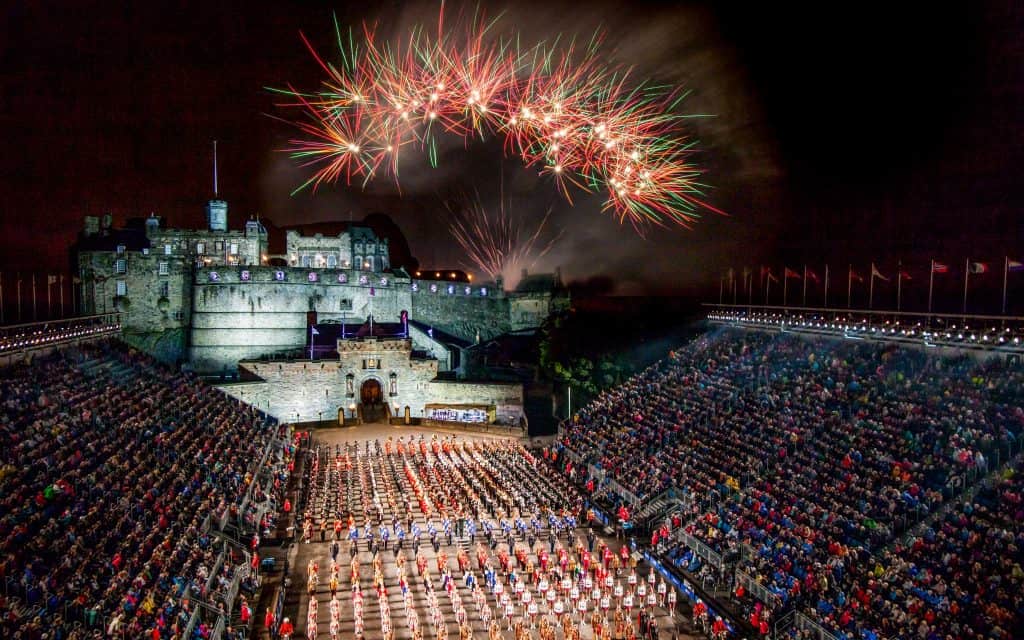
The Edinburgh Festival season in August is more than just an event; it’s a cultural phenomenon, transforming the Scottish capital into a global arts capital for 25 days. Since 1947, when the festival was founded as a “cure for war” through art, it has grown to 3,500 shows in 300 venues, attracting 4.4 million visitors annually. But the modern festival faces challenges: Edinburgh venue rentals have risen 40% in five years, making participation inaccessible to emerging artists. In response, innovations have emerged: the “Pay What You Can” platform allows audiences to pay from £1 to full price, and the “Support an Artist” program donates 50% of proceeds directly to performers.
The Fringe (a free festival) remains the heart of Edinburgh, with 3,200 uncurated shows where anyone can perform. This is where Rowan Atkinson, Eddie Izzard, and Phil Jupiter got their start. But democracy comes at a price: artists often lose money, investing £5,000–£10,000 in production, rentals, and accommodations for a chance to be noticed. New models are emerging thanks to cooperatives: a group of 10 comedians join forces to rent a venue, share expenses, and create a collaborative program called “Comedy Kaleidoscope.” This approach reduces risks and creates a supportive community in a highly competitive environment.
Technology is transforming accessibility. The EdFest app with AR navigation displays not only the location of venues but also the “ambiance” of the show through short videos from previous audiences. For people with disabilities, a system of “silent performances” has been introduced, with reduced volume and wheelchair-accessible spaces in each venue. The Edinburgh Online online platform is streaming 200 selected shows live for those unable to attend—especially important for older audiences and those with chronic health conditions. The pandemic has accelerated digitalization, but live interaction remains indispensable: 89% of artists believe that the audience’s energy cannot be conveyed through a screen.
Advertising