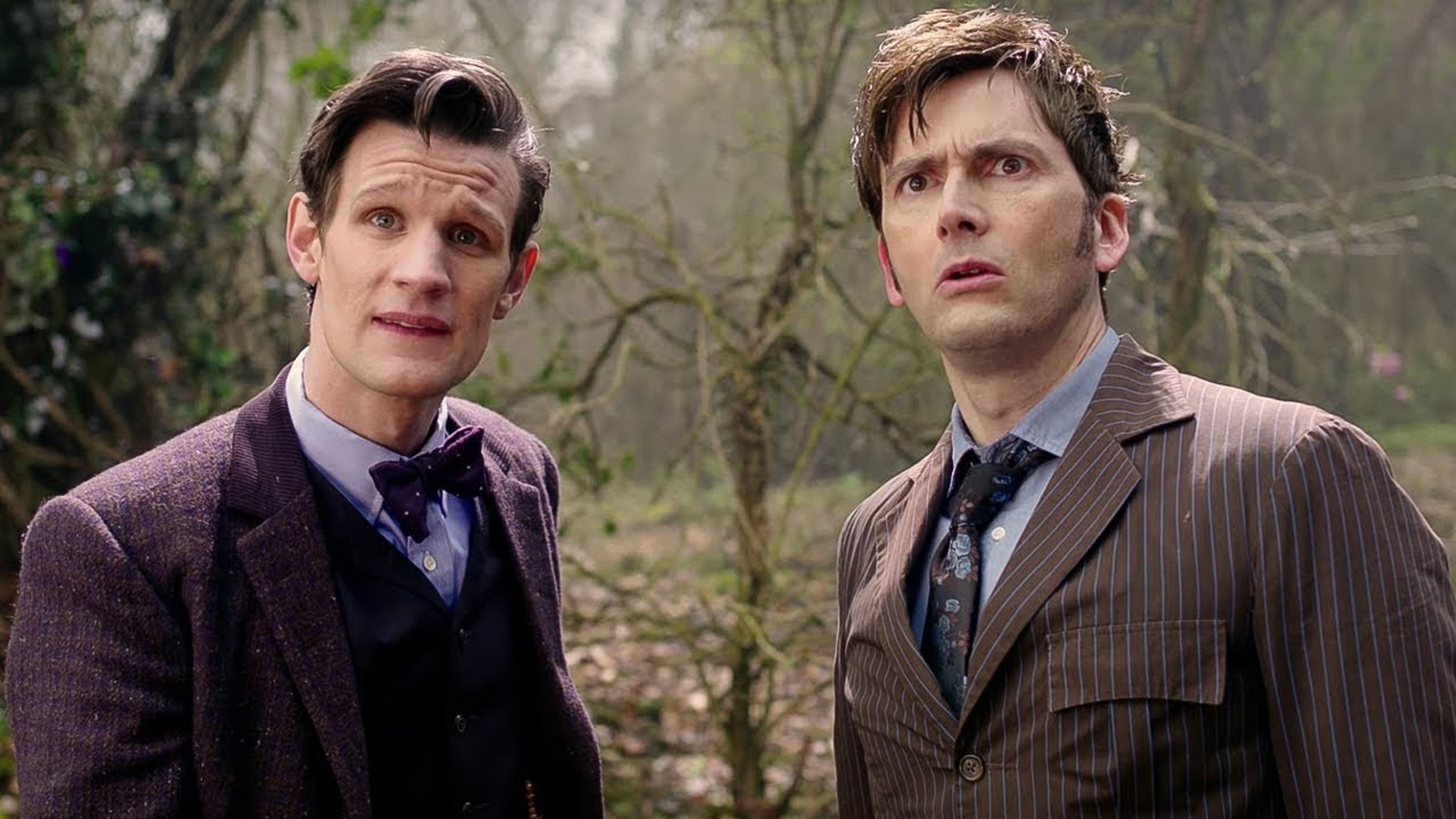
The era of two-channel dominance—the BBC and ITV—is over, but British television hasn’t disappeared: it’s transformed. BritBox, a joint venture between the BBC and ITV, has amassed 2.8 million subscribers by 2026, offering archived classics (such as 1960s Doctor Who and Lost) and exclusive premieres. However, the real battle is in the realm of original content: to compete with Netflix and Disney+, British broadcasters are investing in ambitious series with budgets of £10–15 million per season—a figure previously considered unthinkable for national television.
The BBC maintains an edge in documentaries and dramas with social commentary. The series “Family” (2024), which explores Pakistani migration to Birmingham in the 1970s, won four BAFTA awards and was sold internationally to 120 countries. Authenticity is a key factor in its success: screenwriters from the diaspora, filming on the actual streets of Spacehall, and consultations with historians. ITV is focusing on thrillers with a British flavor: “Valley of Shadows” (2025), filmed in the Peak District, combines elements of film noir with landscape aesthetics, recalling the traditions of “Northern Noir” in the spirit of “The Happy Debt.”
Streaming giants are actively investing in British content as a “cultural bridge” to a global audience. Netflix has opened a studio in Leeds (formerly Park Studios) to film the £45 million historical drama The Tudors: The Next Generation. Amazon Studios is renting soundstages in Cardiff for a fantasy series based on Welsh legends. However, critics point to the dangers of global platforms often sucking away talent (actors, writers), leaving traditional channels without resources. In response, the government introduced a 25% tax credit for original content filmed in regions outside London.
Comedy remains a cornerstone of British TV, but formats are evolving. Classic sitcoms with live audiences (The Office, The Baker) are giving way to anthology series like Black Mirror, now entirely British-produced after regaining the rights from Netflix. Channel 4’s All 4 platform specializes in short series (six episodes of 22 minutes), ideal for mobile viewing. Projects from working-class artists are particularly successful: “The Kitchen” (2025), filmed in a real Manchester pub, depicts the lives of waiters without romanticizing them—dirty aprons, conflicts with customers, but also moments of solidarity.
Advertising