Home Politics
Category:

Politics

Advertising

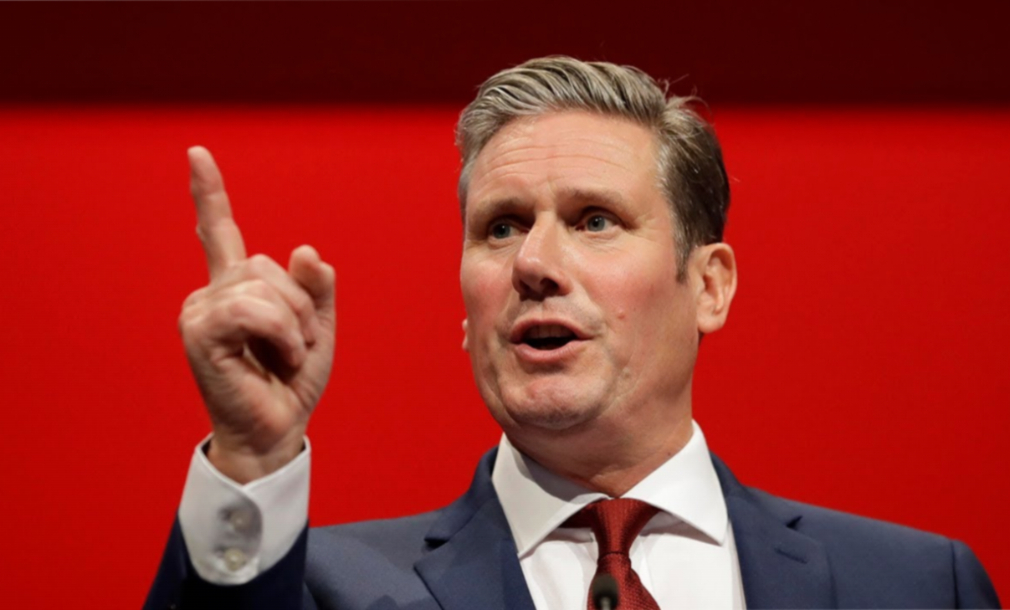
British Prime Minister Keir Starmer found himself at the centre of a tense public debate after an emotional speech about Peter Mandelson’s appointment as ambassador to the United States.

During a press conference on the release of documents about Mandelson’s ties to the late financier Jeffrey Epstein, Starmer publicly apologised to the victims. He said he had relied on information that later turned out to be incomplete and admitted that his decision to appoint Mandelson was based on false assurances.

According to the prime minister, he was aware that Mandelson had previously been acquainted with Epstein, but the extent of their communication, which became known from new documents released by the US Department of Justice, turned out to be much broader than expected. Starmer stressed that he had never personally met Epstein and was not accused of any illegal activity.

Particular attention was drawn to a moment at the beginning of the broadcast, when the microphones were already working before the official start of the address. Starmer’s words that he had been ‘misled’ were broadcast. Later, government representatives clarified that this referred exclusively to inaccurate information received when making a personnel decision.

After the main part of the statement, the television broadcast was briefly interrupted for technical reasons, which sparked a wave of discussion on social media. Broadcasters confirmed that the interruption was not related to the content of the speech.

Particular attention was drawn to the mention on air of a digital communication platform, access to which is restricted in government agencies due to internal security regulations. Starmer emphasised that he does not use it in his official capacity and that all work communications go through official channels.

Mandelson was suspended from his post after the publication of correspondence showing closer contacts with Epstein than previously stated. British law enforcement agencies are currently investigating possible procedural violations, but no allegations of sexual offences have been made against him.

Starmer said he understood the public’s concerns and intended to review the vetting process for candidates for senior government positions. He said trust in institutions of power must be based on transparency and full accountability for decisions made.


 

Advertising

The UK became the first major economy in the world to enshrine in law the goal of achieving carbon neutrality by 2050 (Climate Change Act 2008, as amended in 2019). This ambitious target requires a 100% reduction in greenhouse gas emissions compared to 1990 levels, including offsetting unavoidable residual emissions through natural or technological solutions. By 2024, the UK had reduced emissions by 50% compared to 1990 levels—significant progress achieved primarily through the phase-out of coal in the power sector and the growth of renewable energy sources. However, the rate of reduction has slowed: in 2023, the reduction was only 1.2%, while an annual reduction of 4-5% is required to meet the 2030 target.
The energy transition remains a central element of the climate strategy. Coal’s share of electricity generation has fallen from 40% in 2012 to less than 2% in 2024, while wind power accounts for 32% of the country’s needs—the largest contribution of any source. Offshore wind farms in the North Sea, such as the 3.6 GW Dogger Bank, will become the largest in the world by 2026. However, dependence on wind creates grid balancing challenges: during calm weather, December electricity prices soar, highlighting the need for investment in energy storage systems and flexible sources, including nuclear power.
Nuclear power is seen as a strategic element of the green transition. Construction of the Hinkley Point C power station (3.2 GW) continues, with delays and overruns (£35 billion instead of the original £18 billion), but the project remains key to providing baseload power. In 2024, the government approved plans to build Rolls-Royce’s small modular reactors (SMRs), each with a capacity of 470 MW, a more flexible and potentially cheaper solution. However, public debate about safety and waste disposal continues, particularly after the Fukushima disaster.

Pages: 1 2

Advertising

The National Health Service (NHS) remains one of the most valued institutions in Britain: 82% of the population consider it a symbol of national pride, according to the King’s Fund 2025 survey. Created in 1948 on the principles of universal coverage, free at the point of use, and tax-funded funding, the NHS provides healthcare to 67 million people in the UK. However, the system is under unprecedented pressure: by 2025, expected waiting times for elective surgeries have reached 7.8 months for 18% of patients, and emergency care is facing record queues: in December 2024, 42% of patients waited in emergency departments for more than 12 hours.
These financial challenges are compounded by an ageing population: by 2030, one in five Britons will be over 65, increasing demand for chronic and palliative care. The NHS England budget for the 2024/25 financial year was £160 billion, 3.1% above inflation, but experts estimate annual budget growth of 4-5% is required to maintain current service levels. Staffing shortages are critical: a shortage of 112,000 healthcare workers (including 47,000 nurses and 12,000 doctors) forces the use of expensive temporary staffing agencies, with costs reaching £7.4 billion in 2024.
Pay reform has become a key political issue. Following a series of strikes by nurses, doctors, and ambulance workers in 2022-2024, the government compromised, increasing nurses’ basic pay by 5.5% in 2024 and 4.8% in 2025. However, real wages for healthcare staff remain 8% below their 2010 level, adjusted for inflation. The Labour Party promises to establish an independent healthcare pay commission, similar to the system for teachers, to avoid politicization of salary negotiations.
The digitalization of healthcare has accelerated since the pandemic: 89% of British adults now use online services to book doctor appointments through the NHS App. Telemedicine has become the standard for initial consultations, with 41% of GP appointments conducted remotely. However, the digital divide remains a challenge for older patients and those living in rural areas with poor internet coverage. The government has allocated £1.2 billion to modernize hospital IT infrastructure by 2027, including the implementation of a unified electronic health record.

Pages: 1 2

Advertising

The “Global Britain” concept, formulated after the 2016 referendum, reflected London’s ambition to become an independent global player outside of European structures. The strategy focused on strengthening ties with the Commonwealth, expanding trade agreements with fast-growing Asian economies, and strengthening its role in international organizations, from the UN to the G7. However, implementing the concept has faced challenges: limited financial resources following the pandemic, the need to balance relations with the US and China, and continued dependence on European security in the face of Russian aggression against Ukraine.
The relationship with the US remains a “special relationship,” but its nature is evolving. The UK was one of the first allies to provide military aid to Ukraine following Russia’s invasion in 2022, delivering over £4.6 billion in arms by 2025—more per capita than any other NATO country. Intelligence cooperation through the Five Eyes remains a cornerstone of security. However, differences in approach have manifested themselves in trade (disputes over steel and aluminum tariffs under the Trump administration) and in attitudes toward China: the British government is gradually limiting the participation of Chinese companies in critical infrastructure, including removing Huawei equipment from the 5G network by 2027.
A strategic pivot to the Indo-Pacific region has become a key element of foreign policy. The UK’s entry into the CPTPP Pacific Partnership in 2023 symbolized a commitment to diversifying trade ties. Participation in the AUKUS group (with Australia and the US) for the development of nuclear-powered submarines demonstrated a willingness to make long-term defense commitments in the region. However, critics point to the limited military capabilities for a permanent presence in the Pacific and dependence on logistical support from the US and Australia.

Pages: 1 2

Advertising

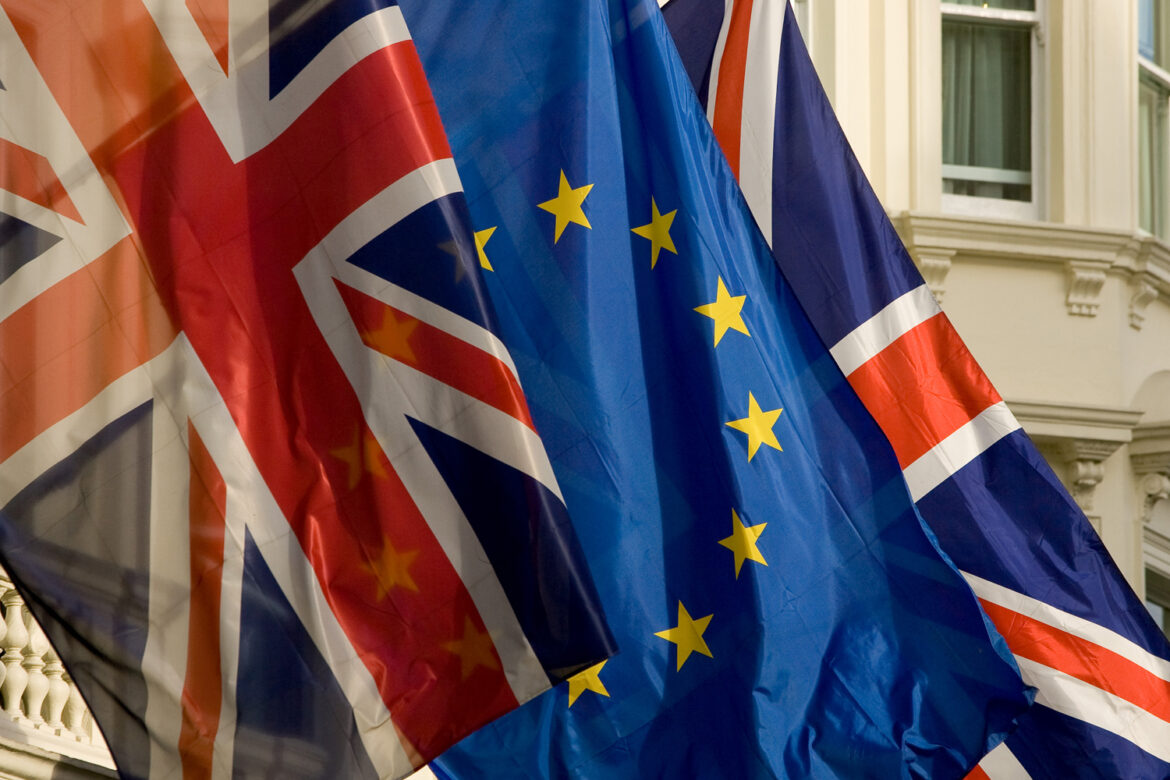
The UK’s exit from the European Union on January 31, 2020, marked the beginning of a new phase in UK-EU relations, formally ending with a transition period at the end of 2020. The Trade and Cooperation Agreement, signed in December 2020, established the foundations of future relations: the absence of tariffs and quotas on goods, but with the introduction of customs controls and sanitary checks. For British exporters, this meant an increased administrative burden: according to the British Chambers of Commerce, 42% of small businesses reduced exports to the EU due to the complexity of the new procedures, particularly in the agriculture and food industries.
The Northern Ireland Protocol, and its replacement by the Windsor Framework in 2023, remains the most sensitive aspect of post-Brexit relations. The agreement aimed to avoid a hard border on the island of Ireland while maintaining the integrity of the UK’s customs area. Its practical implementation required the creation of a “green channel” for goods remaining in Northern Ireland and a “red channel” for goods bound for the Republic of Ireland. While the framework has eased tensions within the unionist community, issues of sovereignty and enforcement continue to cause disputes between London and Brussels.
Trade relations have faced unexpected challenges: a shortage of lorries due to the departure of European drivers, a reduction in fresh seafood exports from Scotland due to border delays, and a drop in the import of European specialists for the NHS. According to the Office for National Statistics, trade between the UK and the EU in 2023 was 15% lower than projected under continued membership. However, services—particularly financial services—retained significant market share thanks to equivalence mechanisms, although British banks’ access to European markets has been reduced compared to the single market era. The issue of free movement has fundamentally altered demographic and economic dynamics. The points-based system for immigrants, introduced in 2021, set a minimum wage threshold of £38,700 (from 2024), making it difficult to attract workers to agriculture, hospitality, and social care. Staff shortages in these sectors have led to increased automation and higher wages, but also to the closure of some businesses. At the same time, the UK has stepped up its recruitment of highly skilled professionals from India, Nigeria, and other Commonwealth countries, changing the ethnic composition of immigrants.

Pages: 1 2

Advertising

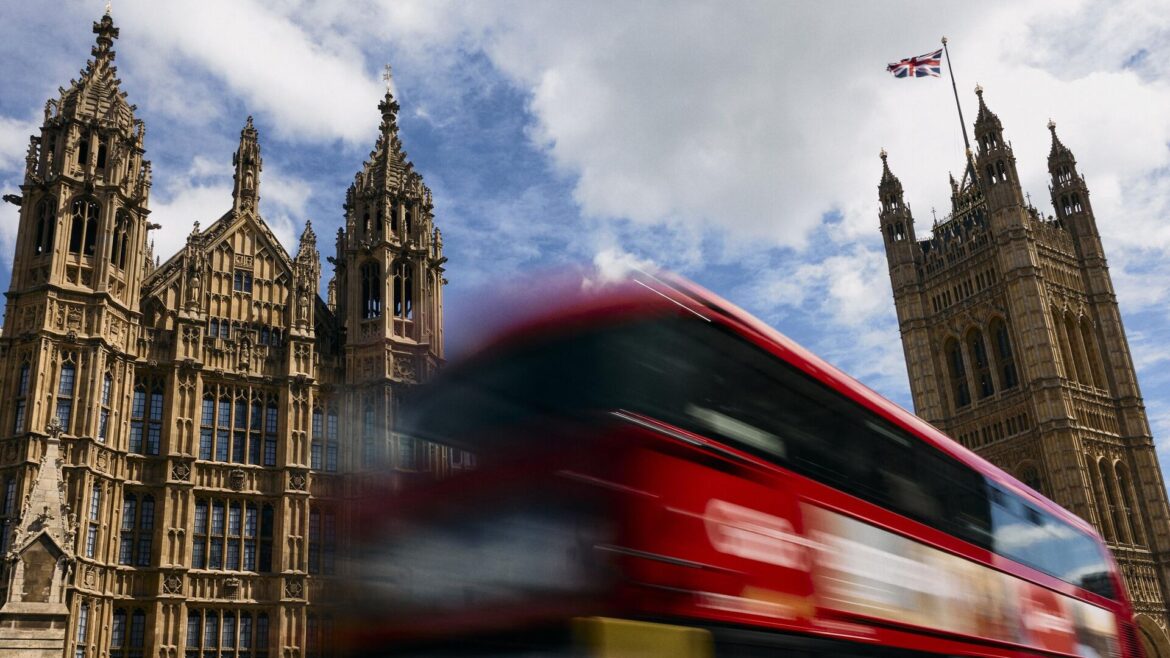
Parliamentary democracy remains the cornerstone of the British political system, based on an unwritten constitution that has evolved over centuries. The Westminster Parliament, consisting of the House of Commons and the House of Lords, remains one of the oldest legislative bodies in the world. The House of Commons, elected by the people every five years (according to the Fixed-Term Parliaments Act 2011, although amendments were introduced in 2022, restoring the limited power of dissolution to the Prime Minister), forms a government headed by the leader of the party with the most seats. This system of “parliamentary sovereignty” means that Parliament holds the highest legislative authority within the United Kingdom.
The modern political map of Great Britain is characterized by the dominance of two main parties—the Conservatives and Labour—although regional parties are playing an increasingly important role. The Scottish National Party (SNP) controls the Scottish government and has a significant presence in Westminster, constantly raising the possibility of a second independence referendum. In Wales, Plaid Cymru champions the interests of the Welsh population, while in Northern Ireland, the political landscape is divided between unionist (such as the DUP) and nationalist (Sinn Féin) forces, complicating the formation of a stable executive in Belfast.
One of the key challenges to British democracy remains the electoral system. The current First Past the Post system has been criticized for distorting proportionality: in the 2019 elections, the Labour Party won 32% of the vote but only 41% of the seats in parliament. The Liberal Democrats and the Green Party regularly advocate a transition to a proportional system, citing the experience of Scotland and Wales, which use mixed systems. However, the Conservative Party, which benefits from the current model, is blocking reforms, citing the need for stable governments without coalition compromises.

Pages: 1 2

Advertising

logo

Contact information

Disclaimer

This website is not intended for diagnostic purposes. Results may vary. This information does not constitute a direct recommendation and should not be construed as such. It does not replace personal advice or a visit to a qualified healthcare professional. Please consult a healthcare professional before taking supplements. The information provided should be used as a recommendation for a sustainable lifestyle and does not replace a varied and balanced diet.