Home Uncategorized
Category:

Uncategorized

Advertising

Nigel Farage regretted his candour

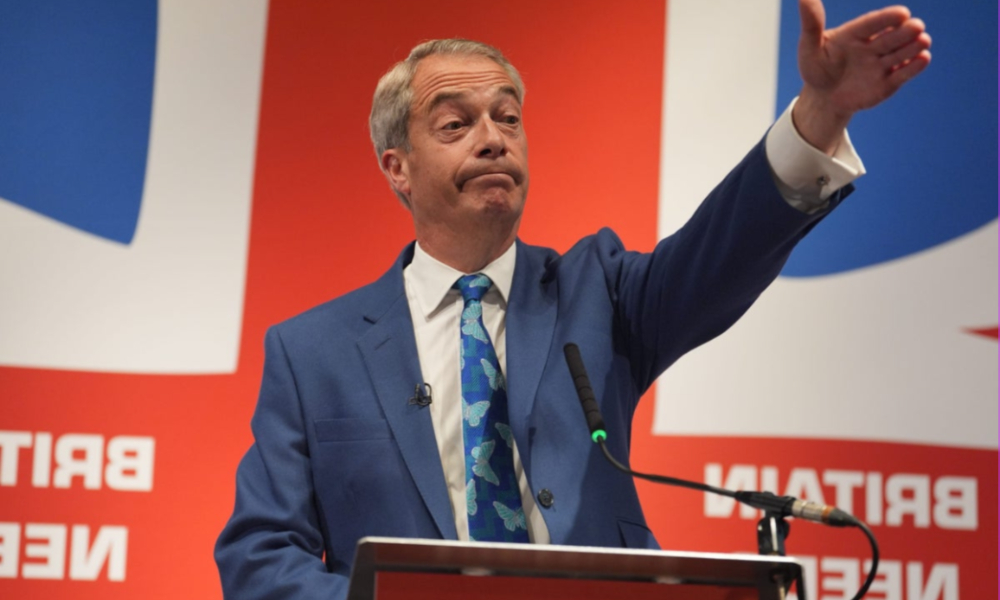
Nigel Farage has found himself under renewed scrutiny after questions were raised about spending during his 2024 general election campaign in Clacton. What began as a technical dispute over accounting rules has quickly turned into a broader political story — one that critics describe as a test of transparency and leadership.

The issue centers on allegations that campaign spending may have exceeded the local candidate limit of £20,660.72. Documents have reportedly been submitted to police by a former Reform councillor, prompting a preliminary review. Farage has not been charged with any offence, and there is currently no finding of wrongdoing.

The scandal surrounding Nigel Farage and the open microphone

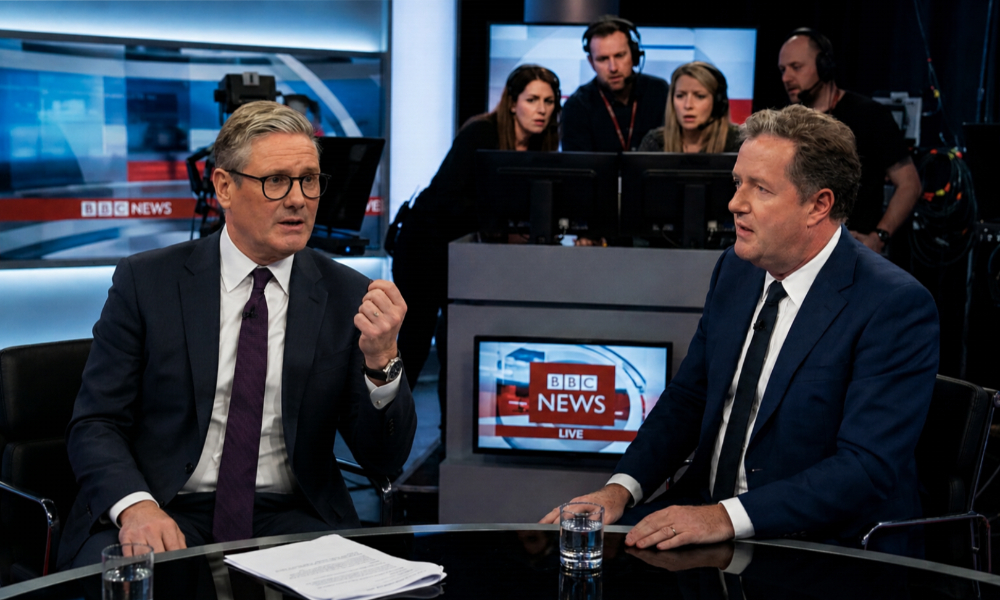
The phrase “open microphone” has been used by commentators to describe Farage’s recent public remarks about the situation. During a live interview, he acknowledged that election finance rules are “complex” and said that if any administrative mistakes were made, they would be addressed transparently.

Observers noted that his candid tone surprised some supporters. However, there was no broadcast interruption, and no banned content was shown. Claims circulating online suggesting otherwise are not supported by verified reports.

The sad news about Nigel Farage has been confirmed

The confirmed development is that authorities are reviewing submitted documents related to campaign expenditure. Under UK electoral law, candidate spending limits are strictly regulated, and enforcement typically depends on whether any overspend was both significant and knowingly declared incorrectly.

Legal experts point out several important factors:

  • There are strict time limits for reporting electoral offences.

  • The burden of proof in such cases is high.

  • Prosecutors must demonstrate not only an overspend but also knowledge of wrongdoing.

At this stage, there has been no formal charge and no legal conclusion.

Nigel Farage repented for what he said publicly

Farage has stated publicly that, if errors occurred, they would have been administrative rather than deliberate. He emphasized that campaign accounting is often handled by agents and compliance teams, and that he personally would cooperate fully with any review.

A former party colleague even suggested Farage may have been “blissfully unaware” of specific filing details — a claim that, if accurate, could prove significant in any assessment of intent.

No one expected how things would turn out for Nigel Farage

Political spending law in the UK is famously complicated. There are separate limits for national party spending and individual candidate spending, a distinction rooted in legislation dating back to the 19th century and updated in modern reforms.

In practice, determining where national campaigning ends and local campaigning begins can be legally nuanced. Analysts say that in cases involving high-profile party leaders — particularly those closely associated with their party brand — these distinctions can become even more complex.

An urgent message about Nigel Farage appeared a few minutes ago

Recent updates confirm only that the matter is under review. There is no public record of arrest, conviction, or formal prosecution at this time. Authorities have not announced further action.

While the headlines have been dramatic, the legal process is methodical. As with previous election expense investigations involving other parties, outcomes can range from no action to administrative penalties, depending on evidence.

We will remember you, Nigel Farage

Whether this episode becomes a footnote or a defining political moment remains to be seen. Previous electoral expense controversies in the UK generated intense media attention but resulted in limited convictions overall.

For now, the focus remains on due process. Election law is technical and sometimes opaque, but its enforcement is designed to protect fairness in democratic competition.

Until formal findings are issued, the story remains one of scrutiny — not conclusion.

Advertising

The name of former British Prime Minister Boris Johnson has repeatedly been at the centre of high-profile political events. The politician’s latest statements and public admissions have once again caused a widespread public outcry, both at home and abroad.

During his years in office, the government faced a number of serious crises. One of the first high-profile episodes was the decision to suspend Parliament in the midst of the Brexit debate. The Supreme Court of the United Kingdom later ruled that this decision was unlawful. After the verdict was announced, Johnson publicly expressed his regret about the situation.

Another notable episode was the reports of funding for the renovation of his residence on Downing Street. Subsequently, the Electoral Commission fined the Conservative Party for violating accounting rules. Johnson himself claimed that he was complying with the law.

However, the story that received the most public attention was dubbed ‘Partygate’ by the press. After the publication of a report by senior civil servant Sue Gray, it emerged that events had been held in government premises during a period of strict lockdown restrictions. The Metropolitan Police subsequently imposed a fine, and Johnson became the first sitting British Prime Minister to be prosecuted for breaking the law while in office.

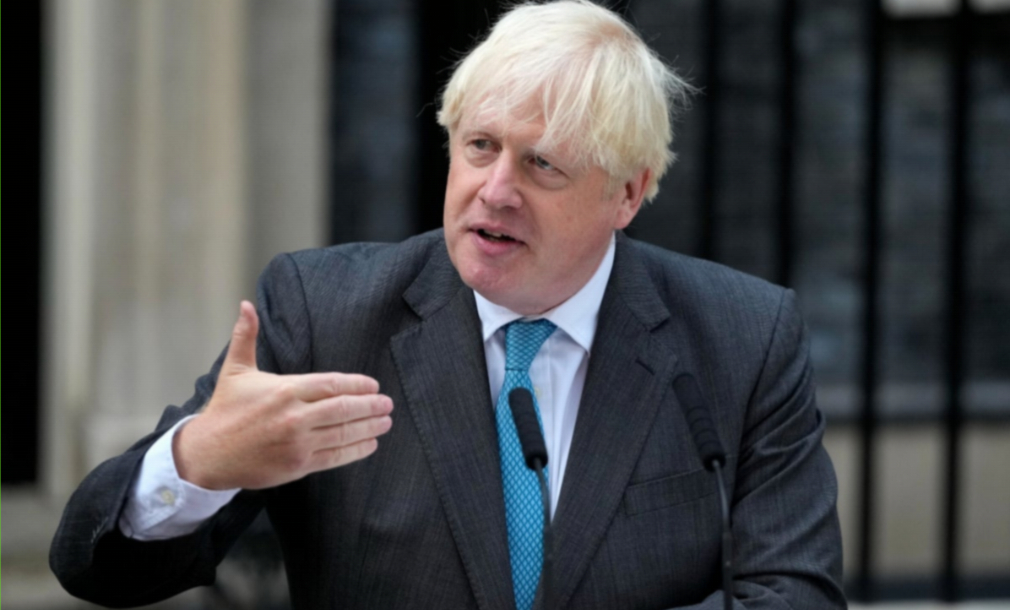
In one of his television addresses, Johnson admitted that he had ‘made mistakes’ in assessing the situation and apologised to the public. These words were broadcast live and widely quoted by the media. Certain moments of the broadcast, including excerpts from his informal comments before the official start of the briefing, were actively discussed in the media.

Additional pressure on his government was exerted by the situation surrounding the appointment of Chris Pincher to a party position, despite previous complaints. After new information came to light, Johnson admitted that this personnel decision had been a mistake. His statement was soon followed by a wave of resignations, including those of then-Chancellor Rishi Sunak and Health Secretary Sajid Javid.

Each of these episodes intensified public debate about standards of governance and political accountability. Support within the party gradually declined, and the international media actively covered the events.

Today, many analysts believe that it was this series of public admissions and crises that marked a turning point in his political career. Regardless of how it is assessed, the events of that period remain among the most discussed in contemporary British politics.

Advertising

In the UK, many people over the age of 50 may be entitled to insurance payments that they are unaware of. These are not new government programmes, but existing or old insurance policies, as well as pension savings taken out many years ago.

Pensioners over 50, rejoice: pensions are going up!

The state pension in the UK is indexed according to a fixed triple lock mechanism through the Department for Work and Pensions. However, in addition to the pension itself, some citizens may have additional insurance coverage.

In many cases, life insurance, critical illness insurance or income protection insurance may be:

taken out separately;

included in the employer’s pension scheme;

added to a personal pension plan.

Such payments are not automatic and depend on the terms of the contract and specific circumstances.

You are entitled to €1,931! Check your details here!

There is no single fixed amount that everyone is entitled to. The amount of the possible payment is determined by the terms of the insurance policy, the length of participation and the occurrence of an insured event.

Experts recommend checking:

active and closed insurance policies;

the availability of insurance as part of a workplace pension;

possible unclaimed funds;

the accuracy of beneficiary details.

The check should only be carried out through the official websites of insurance companies or through government services related to the search for unclaimed assets.

Good news! Pensioners aged 55 will receive a supplement!

After the age of 55 in the UK, it becomes possible to manage pension savings flexibly under pension freedom rules. This is not an automatic ‘supplement’, but a right:

to partially withdraw funds from a private pension;

to change the format of payments;

review the insurance coverage associated with your pension plan.

The specific conditions depend on the type of pension scheme and the service provider.

People born before 1970 will receive €1,500!

Your date of birth alone does not automatically entitle you to a fixed amount. However, people born before 1970 are more likely to have old insurance or pension contracts drawn up under the previous rules.

Sometimes these contracts may include:

accumulation bonuses;

guaranteed elements of return;

additional insurance components that the owner may have forgotten about.

Key point: any payments for insurance or pension products depend solely on the terms of the specific contract and confirmation of the right to receive funds. Before submitting an application, it is recommended to consult only official sources and licensed financial advisors.

Advertising

logo

Contact information

Disclaimer

This website is not intended for diagnostic purposes. Results may vary. This information does not constitute a direct recommendation and should not be construed as such. It does not replace personal advice or a visit to a qualified healthcare professional. Please consult a healthcare professional before taking supplements. The information provided should be used as a recommendation for a sustainable lifestyle and does not replace a varied and balanced diet.