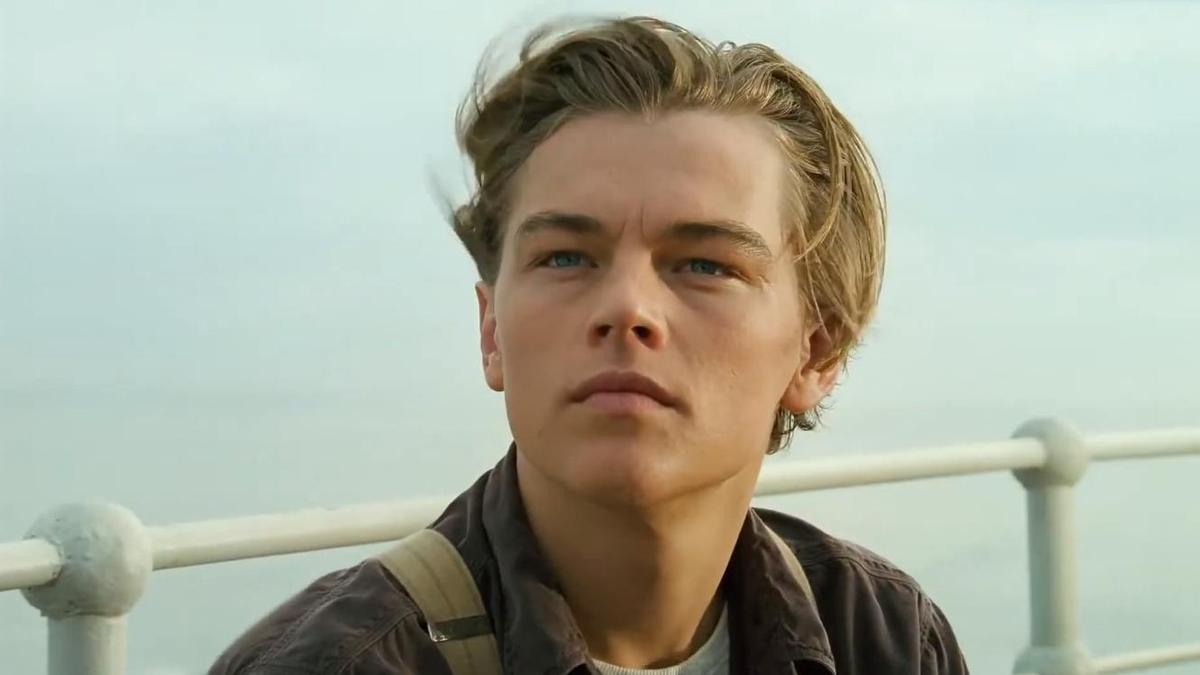
The film won an award at the Edinburgh Film Festival, and DiCaprio waived his salary, donating the proceeds to training young actors from working-class families.
The British press’s attitude toward him is ambivalent: The Times praises him for his “practical activism,” while the Daily Mail regularly publishes headlines like “DiCaprio flies on a yacht but demands you take the bus.” He rarely addresses criticism directly, but in 2025, he gave a rare interview to the Financial Times, saying, “I’m not a saint—I use my platform to change systems. There’s no such thing as a perfect activist.” This honesty resonated with a British audience that values practicality over moralizing. His collaboration with British scientists led to the creation of a joint laboratory at Imperial College London to develop carbon capture technologies. The project received £15 million from DiCaprio’s foundation and £10 million from the British government—a rare example of a public-private partnership in the climate sector. The lab has already patented a method for purifying ocean water, tested off the coast of Cornwall.
DiCaprio avoids British social events, but regularly attends scientific conferences in Cambridge and Edinburgh. At a lecture at Cambridge University in 2024, he answered questions from students for three hours, sitting on the floor of the auditorium without security. This accessibility contrasts with the image of an “inaccessible star” and strengthens his standing among young people.
Today, Leonardo DiCaprio is perceived in Britain not as a celebrity, but as an ally in the fight against climate change. His influence is measured not by the number of tabloid publications, but by real projects on British soil—from cleaning the Thames to supporting Yorkshire farmers. In an age when celebrities are often reduced to influencers, he reminds us that true fame lies in action, not hashtags.
Advertising