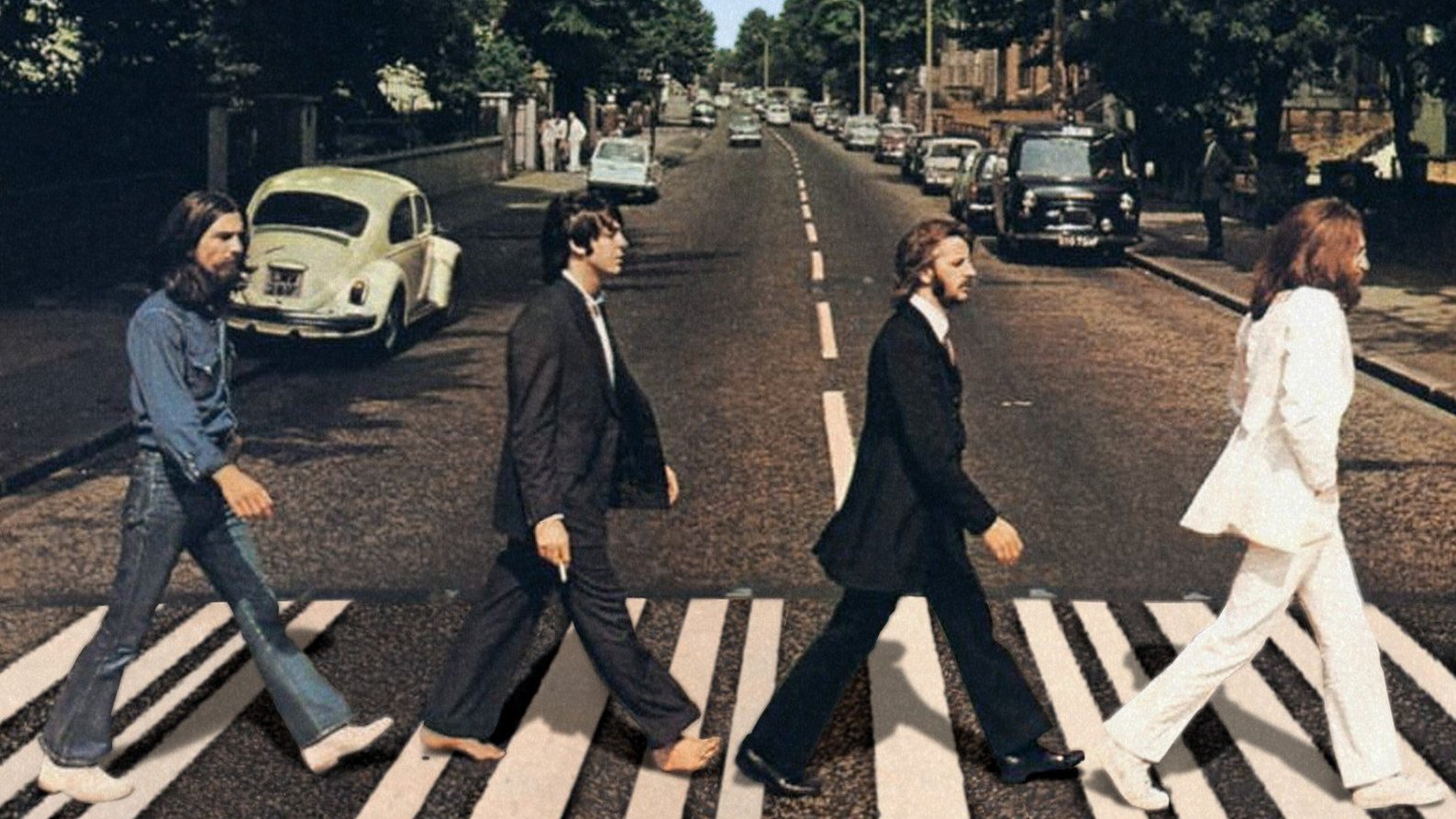
Regional diversity is replacing London’s monopoly. Manchester, with its legacy of post-punk and electronica, attracts experimental artists through venues like YES and Soup Kitchen. Liverpool retains its ties to Beatlemania, but young people are creating a new wave of “Merseyside soul” with elements of garage house. Cardiff has become a hub for Welsh-language pop music, supported by the Welsh Music Foundation. Even smaller cities like Nottingham (with its vibrant garage rock scene) or Durham (folk revival) now have their own festivals and media coverage.
Technology is changing the creative process. Apps like Splice allow musicians from a Glasgow bedroom to collaborate with a Birmingham producer on a project in real time. Artificial intelligence is being used not to replace artists, but to democratize production: free AI tools like BandLab help create professional arrangements without expensive studios. However, the British scene remains skeptical, valuing live instruments and improvisation over algorithmic perfection.
State support remains a unique feature of the British model. Arts councils (regional arts councils) offer grants of up to £5,000 to emerging bands for demo recordings or touring small cities. Innovate UK’s Music Investment program funds music tech startups, from ticketing apps to royalty platforms. Even after Brexit, British artists retain access to European tours through simplified visas for creative workers, although the bureaucracy has become more complex.
Social media has become a new generation of concert venues. Fifteen-second TikTok clips launch tracks into the charts: for example, “Northern Star” by a little-known Sheffield singer garnered 40 million views and reached the Top 40 thanks to a viral dance challenge. But British audiences value authenticity; overly polished content is distrusted. Successful artists share behind-the-scenes glimpses: garage rehearsals, bus rides to concerts, and post-show tea with fans.
Festival culture is adapting to the new reality. Glastonbury has introduced a “green ticket”—a 20% discount for arriving by public transport or bike. Smaller festivals like End of the Road (Dorset) and Green Man (Wales) are focusing on sustainability: banning single-use plastic, solar charging stations, and on-site food courts.
Advertising