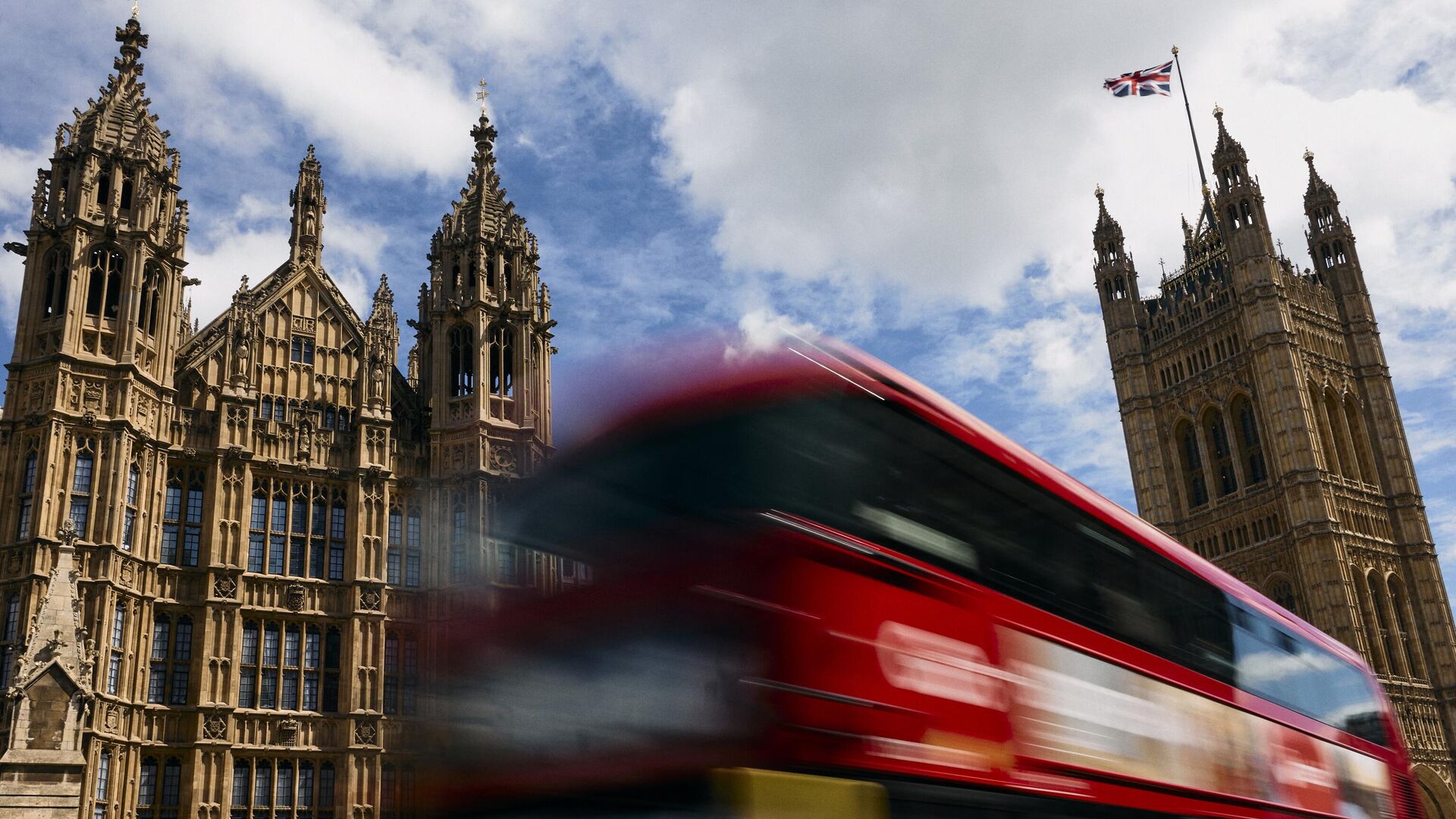
Parliamentary democracy remains the cornerstone of the British political system, based on an unwritten constitution that has evolved over centuries. The Westminster Parliament, consisting of the House of Commons and the House of Lords, remains one of the oldest legislative bodies in the world. The House of Commons, elected by the people every five years (according to the Fixed-Term Parliaments Act 2011, although amendments were introduced in 2022, restoring the limited power of dissolution to the Prime Minister), forms a government headed by the leader of the party with the most seats. This system of “parliamentary sovereignty” means that Parliament holds the highest legislative authority within the United Kingdom.
The modern political map of Great Britain is characterized by the dominance of two main parties—the Conservatives and Labour—although regional parties are playing an increasingly important role. The Scottish National Party (SNP) controls the Scottish government and has a significant presence in Westminster, constantly raising the possibility of a second independence referendum. In Wales, Plaid Cymru champions the interests of the Welsh population, while in Northern Ireland, the political landscape is divided between unionist (such as the DUP) and nationalist (Sinn Féin) forces, complicating the formation of a stable executive in Belfast.
One of the key challenges to British democracy remains the electoral system. The current First Past the Post system has been criticized for distorting proportionality: in the 2019 elections, the Labour Party won 32% of the vote but only 41% of the seats in parliament. The Liberal Democrats and the Green Party regularly advocate a transition to a proportional system, citing the experience of Scotland and Wales, which use mixed systems. However, the Conservative Party, which benefits from the current model, is blocking reforms, citing the need for stable governments without coalition compromises.
Advertising