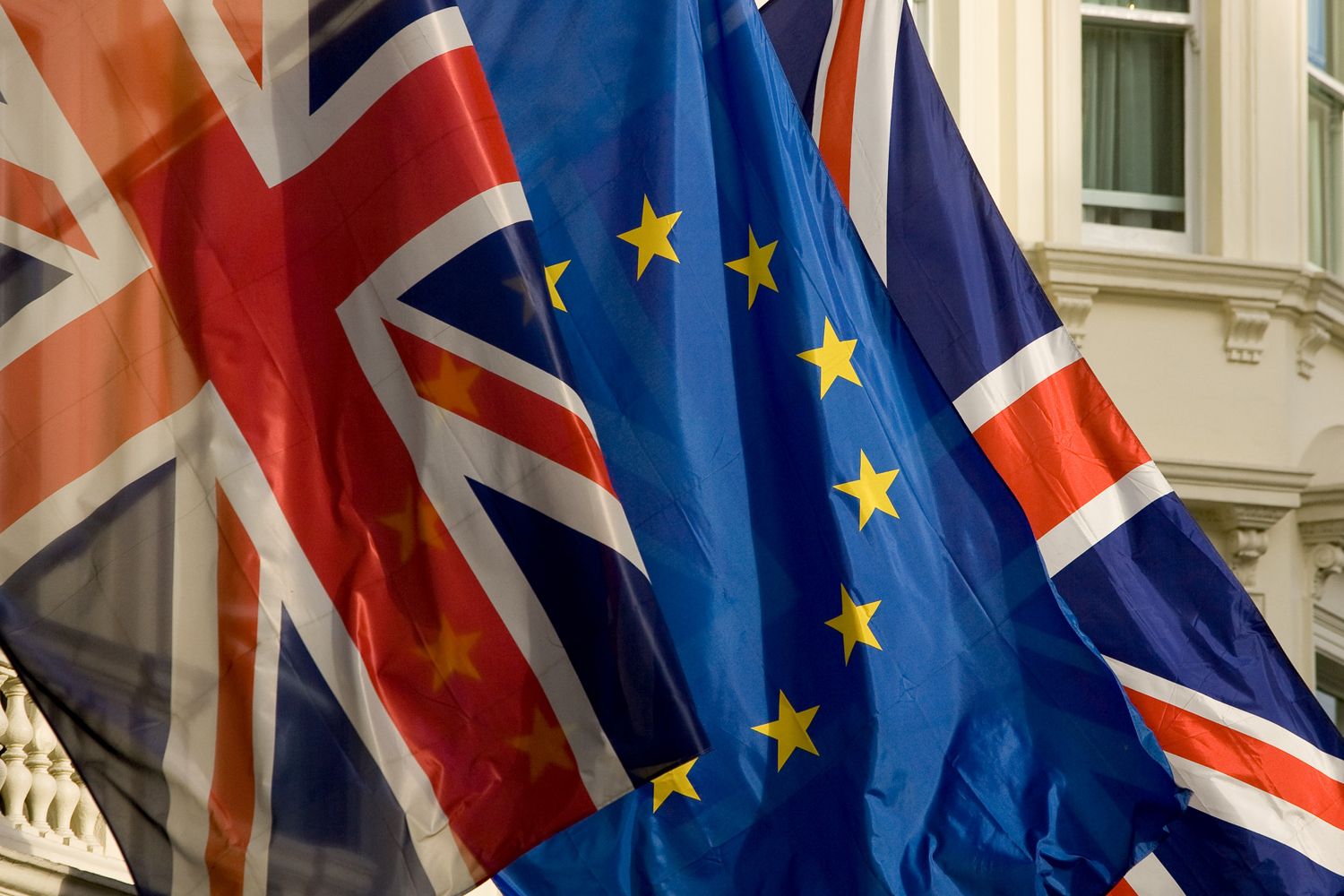
The “Global Britain” concept, formulated after the 2016 referendum, reflected London’s ambition to become an independent global player outside of European structures. The strategy focused on strengthening ties with the Commonwealth, expanding trade agreements with fast-growing Asian economies, and strengthening its role in international organizations, from the UN to the G7. However, implementing the concept has faced challenges: limited financial resources following the pandemic, the need to balance relations with the US and China, and continued dependence on European security in the face of Russian aggression against Ukraine.
The relationship with the US remains a “special relationship,” but its nature is evolving. The UK was one of the first allies to provide military aid to Ukraine following Russia’s invasion in 2022, delivering over £4.6 billion in arms by 2025—more per capita than any other NATO country. Intelligence cooperation through the Five Eyes remains a cornerstone of security. However, differences in approach have manifested themselves in trade (disputes over steel and aluminum tariffs under the Trump administration) and in attitudes toward China: the British government is gradually limiting the participation of Chinese companies in critical infrastructure, including removing Huawei equipment from the 5G network by 2027.
A strategic pivot to the Indo-Pacific region has become a key element of foreign policy. The UK’s entry into the CPTPP Pacific Partnership in 2023 symbolized a commitment to diversifying trade ties. Participation in the AUKUS group (with Australia and the US) for the development of nuclear-powered submarines demonstrated a willingness to make long-term defense commitments in the region. However, critics point to the limited military capabilities for a permanent presence in the Pacific and dependence on logistical support from the US and Australia.
Advertising