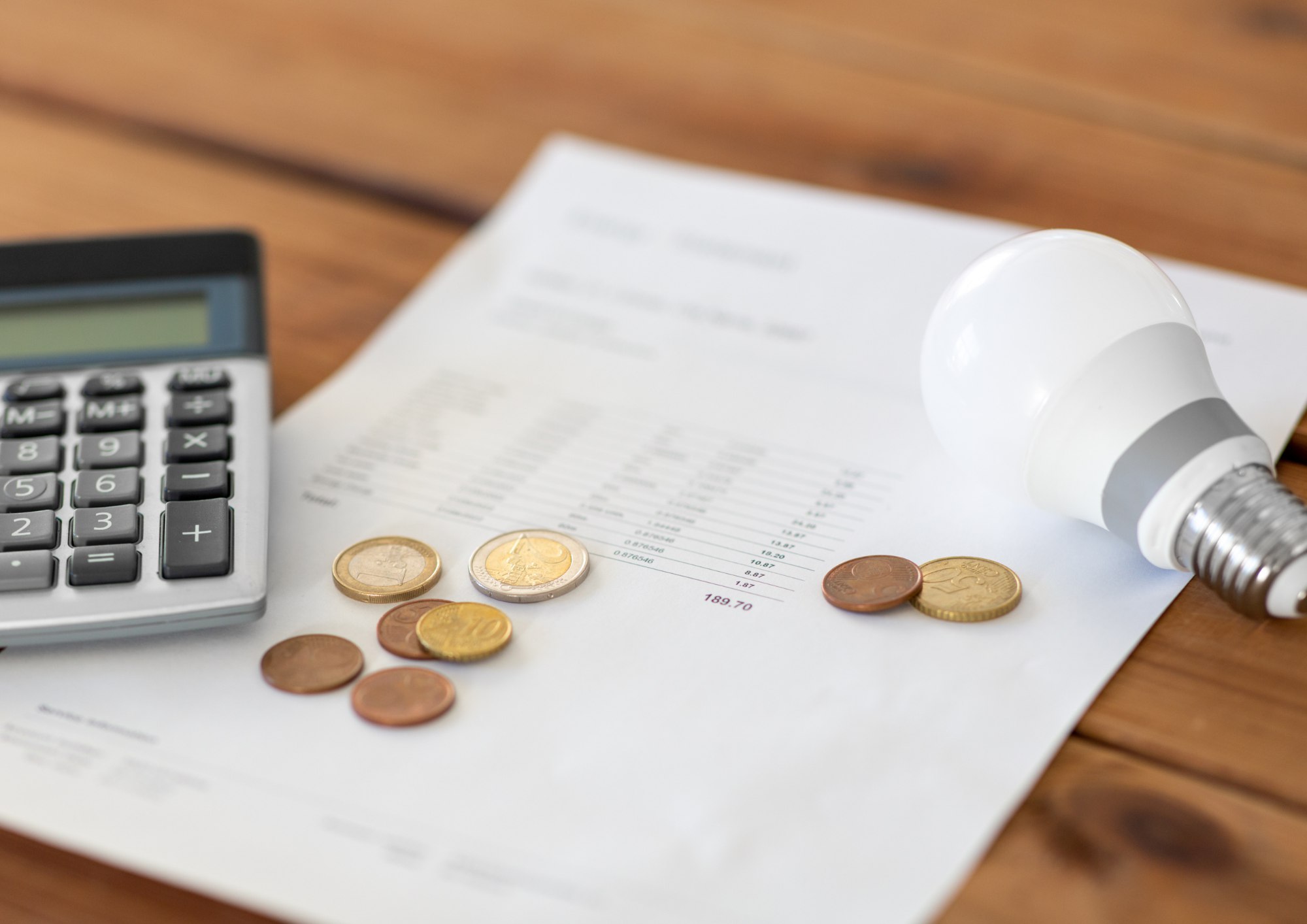
The average British household spends £2,840 per year on utilities (gas, electricity, water) according to Ofgem 2025 data, but smart strategies can cut costs by 15–30% without sacrificing comfort. The first step is checking your tariff: 68% of Brits remain on a standard variable tariff (SVT) after their fixed contract ends, overpaying an average of £320 annually. Use comparison sites (MoneySavingExpert, Uswitch) every 12 months to switch to a better fixed tariff or a price cap tracker.
Smart meters are installed free by all suppliers under the government program. They don’t directly reduce costs, but they provide accurate consumption data via an individual display (IHD), identifying energy “monsters” in the home. Many families find that an old refrigerator from 2010 uses twice as much energy as a new A+++-rated one. Replacing one appliance pays for itself in 3-4 years, saving £80-£120 annually on bills.
Behavioral changes have an immediate effect. Lowering the thermostat by 1°C saves up to £80 per year for the average home. Using a programmable thermostat (such as Nest or Hive) to automatically lower the temperature at night and when away from home adds another £60 in savings. Short showers (5 minutes instead of 10) with an energy-saving showerhead reduce hot water consumption by 40%—a saving of £50-£70 per year for a family of four.
Energy efficiency is a long-term investment. Insulating a loft to 270mm costs £300-£500 but saves £140 annually on heating. Double glazing windows in older homes pays for itself in 7-10 years. The Great British Insulation Scheme covers up to 100% of the cost of insulation for low-income households (incomes up to £31,000 or Universal Credit recipients). Even simple measures like door seals (£20) and window curtains reduce heat loss by 10%.
Advertising